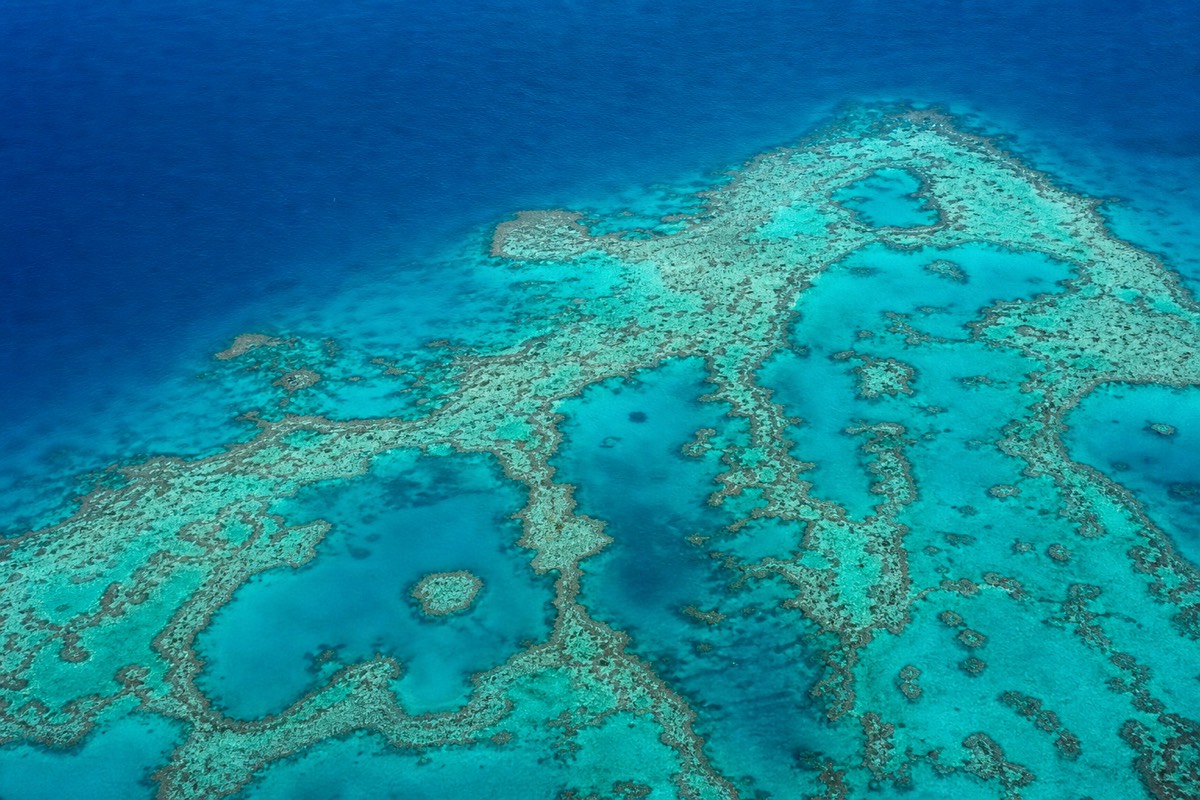
Is The Great Barrier Reef Worth It?
A day on the reef costs real money and takes a full day, so it's fair to ask if it delivers. Here's what our team found when we weighed the numbers honestly.
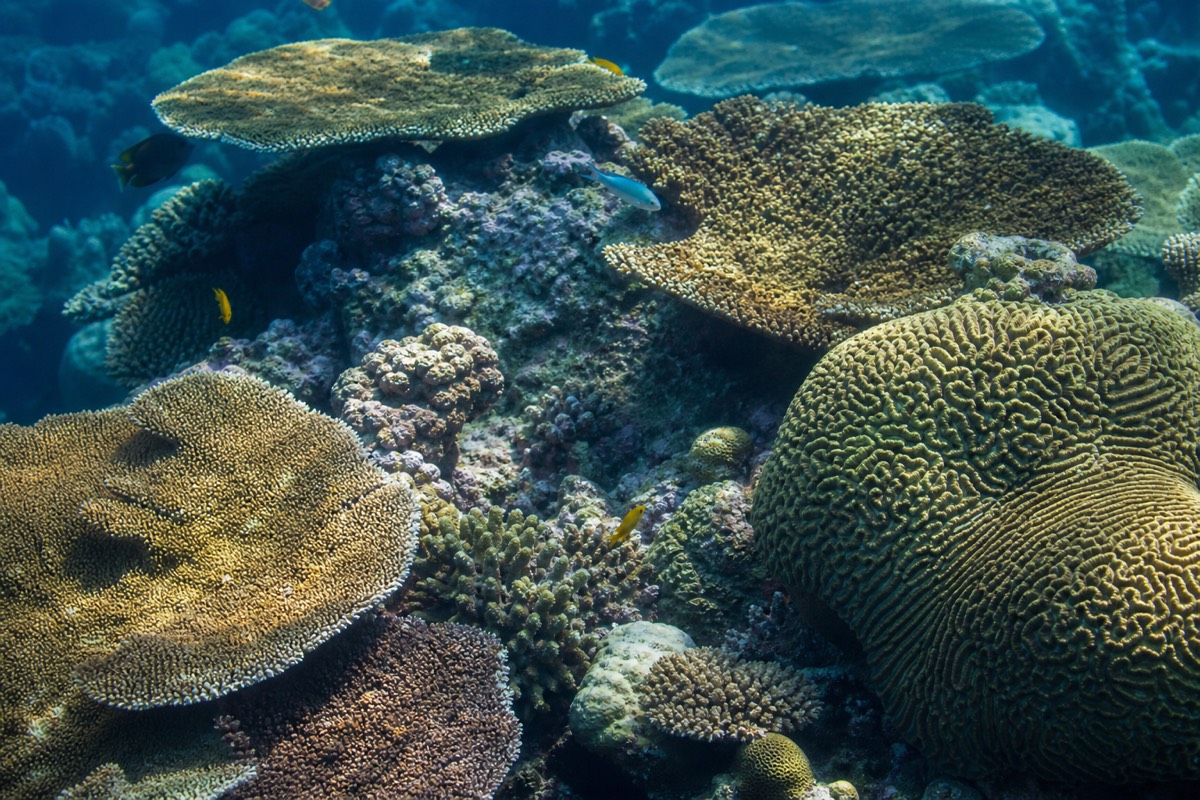
Yes, the Great Barrier Reef is worth it for most travelers, but only if you pick the right reef zone and the right season. A full-day outer reef tour from Cairns runs $150 to $250, takes 8 to 10 hours door to door, and delivers 3 to 4 hours in the water across two or three sites. The reef you see on a $202 outer reef trip is a different experience from a $89 Green Island day, and bleaching has made site selection matter more than ever.
Price tables and review counts in the original comparison are historical examples, not live quotes or safety evidence. Use the booking options below for current totals, inclusions and restrictions.
Is The Great Barrier Reef Worth It In 2026?
The honest answer depends on three things: how much time you have, what kind of water you can handle, and whether you book an outer reef trip or a budget inner reef one. The price range across the nine most common operators runs from $89 for the Green Island Snorkelling & Glass Bottom Boat Experience to $521 for a premium day. That spread is wide enough that "is it worth it" cannot be one question. It is several.
The strongest signal available is what past passengers say with their wallets and their ratings. The most heavily booked outer reef tour, the Outer Great Barrier Reef & Coral Cay Snorkel/Dive Tour, shows 15,633 bookings and a 4.8 rating on its GetYourGuide listing. Green Island sits at 4.3 across 1,696 bookings. Across the outer reef options booked most heavily, ratings cluster between 4.6 and 4.9, backed by tens of thousands of reviews. People who go tend to come back satisfied. The exceptions are almost always weather-driven, not reef-driven.
It is worth being direct about the kinds of reviews that trend poorly, because they follow a pattern. The disappointed reports online tend to come from three situations: someone booked the cheapest tour available and got inner reef sites with cloudy water, someone went in the wet season on a rough day and spent the crossing being sick over the rail, or someone expected a pristine natural aquarium and met a real, living, patchy ecosystem instead. The reef itself is constant across all three. What varies is the booking decision. That is good news for a reader doing even ten minutes of homework, because all three failure modes are avoidable before you pay.
For most travelers, the maths works out like this. You spend a full day, door to door, for roughly three to four hours of actual time in the water. The boat ride to the outer reef runs 1.5 to 2 hours each way from Cairns, so a real chunk of the day is transit. If that trade sounds bad on paper, remember what those hours contain: coral gardens, turtles, giant clams, and reef fish at close range, in water where visibility in the dry season often reaches 15 to 30-plus metres. Travelers who treat the reef as a full-day commitment rather than a quick side trip consistently rate it highest.
There is a genuine counterargument, and this page does not hide it. Parts of the reef have bleached in recent years. Coral cover varies significantly by region and site, which is exactly why operators are selective about where they moor. A visitor dumped on a poor site on a rough wet season day can come home underwhelmed, and some of the angrier forum threads you will find online come from exactly that experience. The fix is not to skip the reef. The fix is to book an established operator that visits the healthiest accessible sites, in the right months, with realistic expectations.
One framing helps before the detail. The people asking this question online, on Reddit and TripAdvisor and travel forums, split into two camps that rarely talk to each other. One camp went on a well-chosen outer reef day in good conditions and cannot stop recommending it. The other camp had a compromised experience, weather, budget site, seasickness, and concludes the whole thing is overhyped. Both are telling the truth about their own day. The entire purpose of this page is to put you in the first camp, and nearly every recommendation below traces back to that goal.
What You Actually See On An Outer Reef Day Trip
A standard outer reef day includes hotel or marina pickup, two or three snorkel or dive sites, lunch, and all gear, with guides in the water for beginners. That is the baseline package on nearly every full-day tour out of Cairns or Port Douglas. What changes the experience is which reef platform the boat reaches and how much time you get over live coral rather than sand or sea grass.
It helps to walk through the shape of the day, because knowing the rhythm in advance changes how people plan around it. Pickup is typically early morning from your hotel or the marina. Check-in, boarding and a safety briefing fill the first hour. Then comes the crossing, 1.5 to 2 hours each way on the outer reef routes, which is when motion medication should already be working rather than being taken. At the first site the crew briefs passengers on the site layout, where the coral walls sit, where the current runs, where the shallow sections are. Snorkeling sessions typically run in rotation, with a break for lunch on board between sites. After the final site, the boat heads home, and most tours are back at the marina by late afternoon. Door to door, that is the 8 to 10 hours the listings specify.
The Outer Great Barrier Reef & Coral Cay tour is the most booked option for a reason. It runs a 20-metre catamaran out to sites called Wonder Wall and Upolu Coral Cay, with optional diving add-ons for anyone who wants to go deeper than a snorkel allows. Wonder Wall, as the name suggests, is a drop-off: coral structured along a descending edge where fish concentrate. Upolu Coral Cay sits in shallower water, which makes it forgiving for first-time snorkelers and good for photography. A day pairing those two gives you the two classic reef experiences, a wall and a cay, in one trip.
The Reef Sites Operators Actually Use
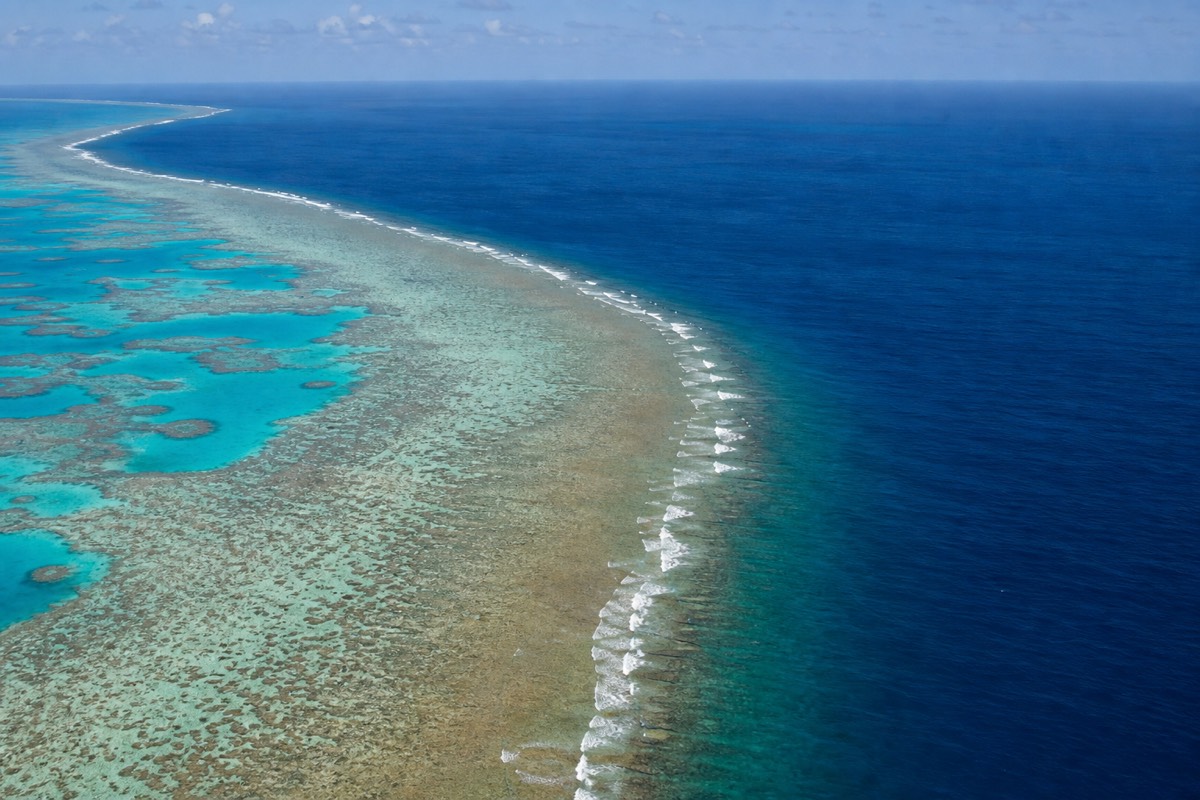
Operators push clients toward Moore Reef, Norman Reef, Hastings Reef and the Agincourt ribbon reefs rather than anything visible from the beach. The reason is straightforward. Outer reef sites sit farther from river runoff and coastal sediment, so visibility and coral cover both tend to be better than reefs closer to shore. The Agincourt ribbon reefs, reached fastest from Port Douglas, are the classic example: long narrow formations along the outer edge of the continental shelf, where the clean ocean water comes in.
Which departure point you choose changes which outer sites you reach fastest. Cairns boats tend toward Moore, Norman and Hastings. Port Douglas boats make the Agincourt ribbons in similar time. There is a full comparison of Cairns versus Port Douglas versus the Whitsundays elsewhere on this site, so this page will not relitigate it. The short version: any of the three can deliver an excellent day, and the Whitsundays trade reef quality for the scenery of the islands themselves.
What Is In The Water
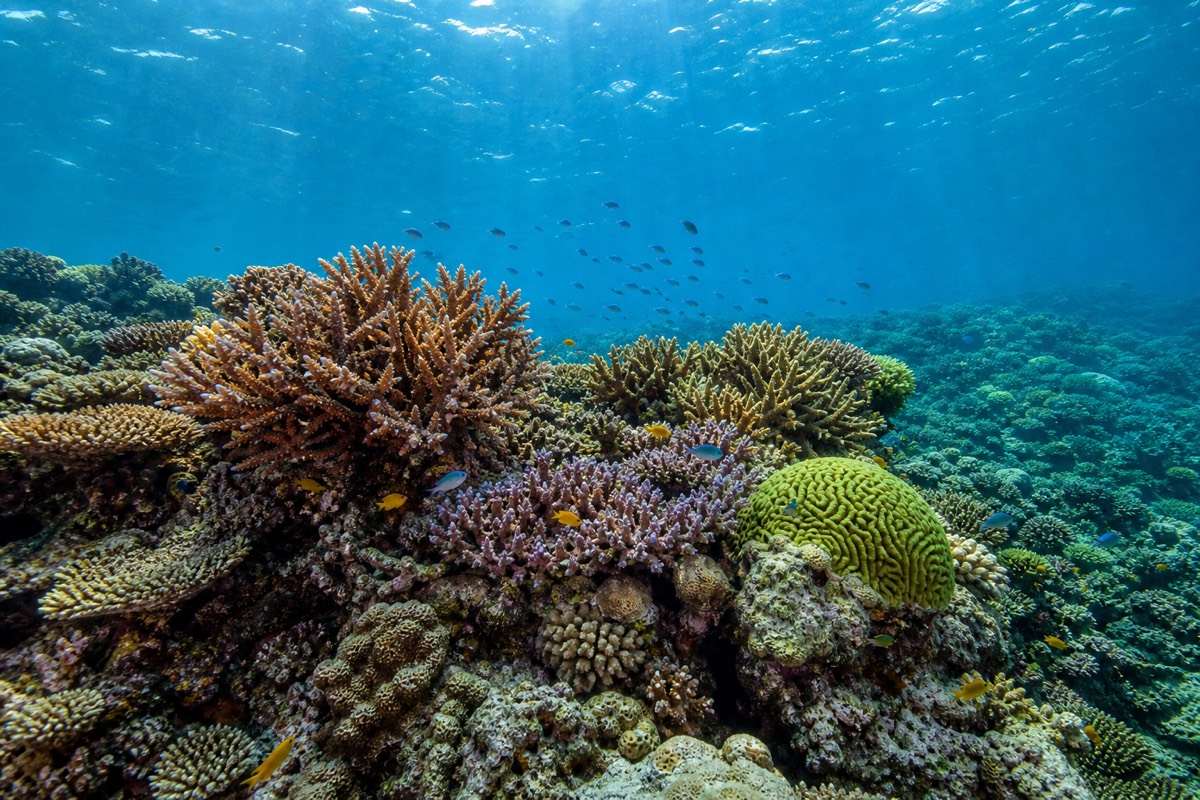
Realistically, on a good outer reef day you will see hard and soft coral formations, parrotfish, wrasse, clownfish in anemones, giant clams, and a strong chance of a green or hawksbill turtle. Reef sharks appear often enough that they should not surprise you, and they are a highlight rather than a hazard. Rays, including the occasional small reef ray over sand patches, round out the usual cast. Facts on the reef's size and its species diversity come from the Great Barrier Reef Marine Park Authority, which manages the marine park and publishes the official figures on the ecosystem the tours operate inside.
A giant clam deserves a specific mention, because it is the encounter that surprises people most. The big ones sit wedged into the coral, mantle open, showing colours from electric blue to muted olive, and they close with a slow thud if you pass too closely. Turtles are the other headline sighting, and on the healthier outer sites the chance of at least one is genuinely high rather than a marketing promise. A day that includes a turtle, a clam, a wall of coral and a passing reef shark covers the checklist almost every first-time visitor arrives with.
What you will not see, on any single day trip, is the whole reef. The marine park covers a stretch of coast measured in thousands of kilometres, and no tour visits more than a few kilometres of it. A day trip samples. That is not a failure of the tours, it is a property of the place. Expect a concentrated slice of a very large system, not a survey of it.
The Honest Downsides: Cost, Boat Time And Bleaching
Every one of these drawbacks is real. None of them, on its own, is a reason to stay home. Together they explain why a minority of visitors come home disappointed, and reading them before you book is the cheapest insurance available.
The Cost
A full-day outer reef tour costs $150 to $250, with premium options reaching $521 at the top of the range. Add a diving certification or an introductory dive and the number climbs further. For a family of four, an outer reef day is a four-figure line item once you count everyone. The budget alternative, Green Island at $89, is real value but it is a different product: inner reef, shore-accessible, with coral that does not match the outer sites. There is a full breakdown of what a reef trip actually costs in the dedicated cost article, including the add-ons that catch people out. What matters for the worth-it question is this: the mid-range outer reef tours are priced within a narrow band of each other, and the cheapest ticket on the dock is rarely the bargain it looks like.
To make the cost concrete: at $202, the most-booked outer reef tour, a couple pays just over $400 for the day before any extras. That buys the boat, the crew, lunch, gear, and access to two outer sites that are impossible to reach any other way without chartering privately. Whether that feels fair depends on what you compare it against. Measured against a theme park day ticket it looks reasonable. Measured against a free beach it looks expensive. The honest comparison is against other once-in-a-trip experiences, because that is what the listings are actually selling, and against the fact that the outer reef has no cheap substitute. You either pay for the boat or you do not see it.
The Boat Time
Boats to the outer reef run 1.5 to 2 hours each way from Cairns. That is 3 to 4½ hours of transit for 3 to 4½ hours of snorkeling, plus briefing, lunch, and boarding. People who get seasick should take this seriously: the outer reef is open water, and rough days happen. If you cannot handle open ocean swell and cannot take motion medication, an outer reef day can become an expensive test of endurance. The 4½-hour Ocean Safari tour from Cape Tribulation, rated 4.9 with over 9,000 bookings, suits travelers who want the reef without the long crossing, and it is a legitimate answer for the seasick-prone.
The transit time is not entirely dead time either, which is worth knowing before you dread it. On a calm dry season day the crossing passes over water that shifts from coastal green to the deep blue of the outer reef, and dolphins and flying fish are common sightings from the deck. Briefings, gear fitting and lunch also absorb much of it. But on a lumpy day the same hours are the worst part of the trip, and no amount of scenery fixes a rolling swell. The lesson is not to avoid the outer reef, it is to book it in the months when the crossing is likely to be kind, and to treat the seasons as a real input to the decision rather than a footnote.
The Bleaching Question
Here the honesty matters most. Bleaching has affected parts of the reef in recent years. Large sections remain healthy and are actively monitored, but coral cover varies significantly by region and site, which is precisely why operators are selective about where they take people. The Australian Institute of Marine Science runs reef condition monitoring, and its data shows the regional variation plainly. Some moorings sit over vigorous coral, others over recovery zones. A good operator steers you to the former. A cheap one may not care.
This is the one downside that interacts with all the others. A bleached or recovering site makes the long crossing feel longer, the price feel higher, and the whole day feel like a bait and switch, which is exactly how the most negative reviews read. The same dollars spent on a boat visiting a healthy site produce the opposite reviews. The variable is not the reef as a whole, it is which few hundred metres of it you float over, and that is a bookable decision rather than a matter of luck.
The question "is the Great Barrier Reef dead" gets asked constantly online, and the blunt answer is no, but the fuller answer needs more space than this section can give. The dedicated guide on reef health and bleaching covers what the monitoring data actually shows, region by region. Read it before you go. It will make the day better, because you will know what healthy coral looks like and why the boat chose the site it chose.
When It Is Genuinely Not Worth It
Skip the trip, or postpone it, if any of these apply. You are visiting between November and May with zero schedule flexibility, because wet season weather can cancel or shorten a trip entirely and no planning fixes that. You get seasick badly and cannot medicate for it. You are only in Cairns for a few hours, which is not enough time for an outer reef loop. Or you are travelling with small children or non-swimmers who would do better on a shore-accessible option like the Green Island experience, where the $89 price buys a glass bottom boat and calm shallows instead of an open-water crossing.
How Many Days Do You Need For The Great Barrier Reef?
One full day is enough for a satisfying first visit. That is the direct answer, and it deserves unpacking because this page owns the question.
One day on an outer reef tour gets you two or three sites, which is enough to see coral, turtles, giant clams and a wide range of reef fish, covering what most travelers actually want from the reef. The 3 to 4 hours of in-water time that a full-day tour delivers is more snorkeling than most people can comfortably do in a day anyway. Skin gets cold, masks fog, and arms tire. First-time snorkelers routinely overestimate how much swimming they want.
It is worth being specific about what "enough" means here, because the word is doing a lot of work. Enough does not mean you will have seen the reef. It means you will have had the experiences the reef is famous for: floating over live coral gardens, watching fish behaviour at close range, surfacing from a turtle sighting to find the crew pointing at a reef shark below the boat. Those moments are concentrated, not diluted, by the day-trip format. A second day does not double them, it adds variations, and that is a different value proposition.
What A Second Or Third Day Adds
Extra days add variety, not more of the same. Day two could mean a different departure point, a different reef zone, or an introductory dive. Multi-day and liveaboard options open up sites that day boats cannot reach in the time available, and they add night snorkeling, which is a genuinely different experience: different animals, different behaviour. The trade is cost and commitment. For someone whose main interest in tropical North Queensland is the reef, a liveaboard earns its price. For someone fitting the reef into a two-week Australia itinerary, one well-chosen day is the better allocation of time and money.
Think of it as diminishing returns with a cliff edge. Day one delivers the core reef experience at full intensity. Day two delivers perhaps seventy percent of that intensity with new sites, and is worth it for reef enthusiasts. Day three is for people who have already decided the reef is the point of their trip. The liveaboard question only becomes live at that third-day level of interest, and the multi-day guide breaks down what the extra nights actually add. Below that level of commitment, the marginal day competes badly against the rainforest, the tablelands, or simply resting, and honest itineraries reflect that.
A practical middle path: plan for one reef day, and hold a second day in reserve in your schedule without booking it. If day one leaves you wanting more, or gets cancelled by weather, the spare day absorbs the problem. Wet season cancellations are the single most common reason a one-day plan fails, and a buffer day turns that from a disaster into a shrug. In the dry season the buffer is more likely to be spent on land attractions, which Cairns has plenty of, so the day is rarely wasted either way.
Is One Day Really Enough?
Yes, with one qualifier. One day is enough to see the reef well. It is not enough to see the reef and the rainforest and Kuranda and the Atherton Tablelands in the same trip without rushing. The mistake people make is not under-booking the reef, it is over-booking the region. Cairns works best with three or four days total: one for the reef, one for the rainforest or tablelands, and one spare for weather. If your entire Queensland stop is 48 hours, spend one full day on the water and one on land, and accept that you are sampling rather than exploring.
A half-day tour is a legitimate option for the time-poor. The Ocean Safari from Cape Tribulation runs 4½ hours and rates 4.9 across more than 9,000 bookings, so the short format clearly works for travelers with limited time or a packed schedule. It suits anyone who wants a taste of the reef without surrendering a full day. It will not show you what a full outer reef crossing shows, but it is a real reef experience, not a theme-park version of one.
The half-day option also solves a specific itinerary problem worth naming. Travelers combining the Daintree and Cape Tribulation with the reef often cannot fit both a full reef day and the coast road into a short stay. The Ocean Safari slots into that gap, because you are already up that coast, and it converts an either-or choice into a both. The compromise is depth: fewer sites, less in-water time, and reef zones that suit the short crossing rather than the best-of-the-day selection an outer reef captain makes.
Is It Better To Dive Or Snorkel The Great Barrier Reef?
Snorkeling is the better first choice for most visitors, and diving is the better choice for a specific kind of traveler. The distinction matters because plenty of people arrive convinced they must dive the reef to have done it properly, and that is not true.
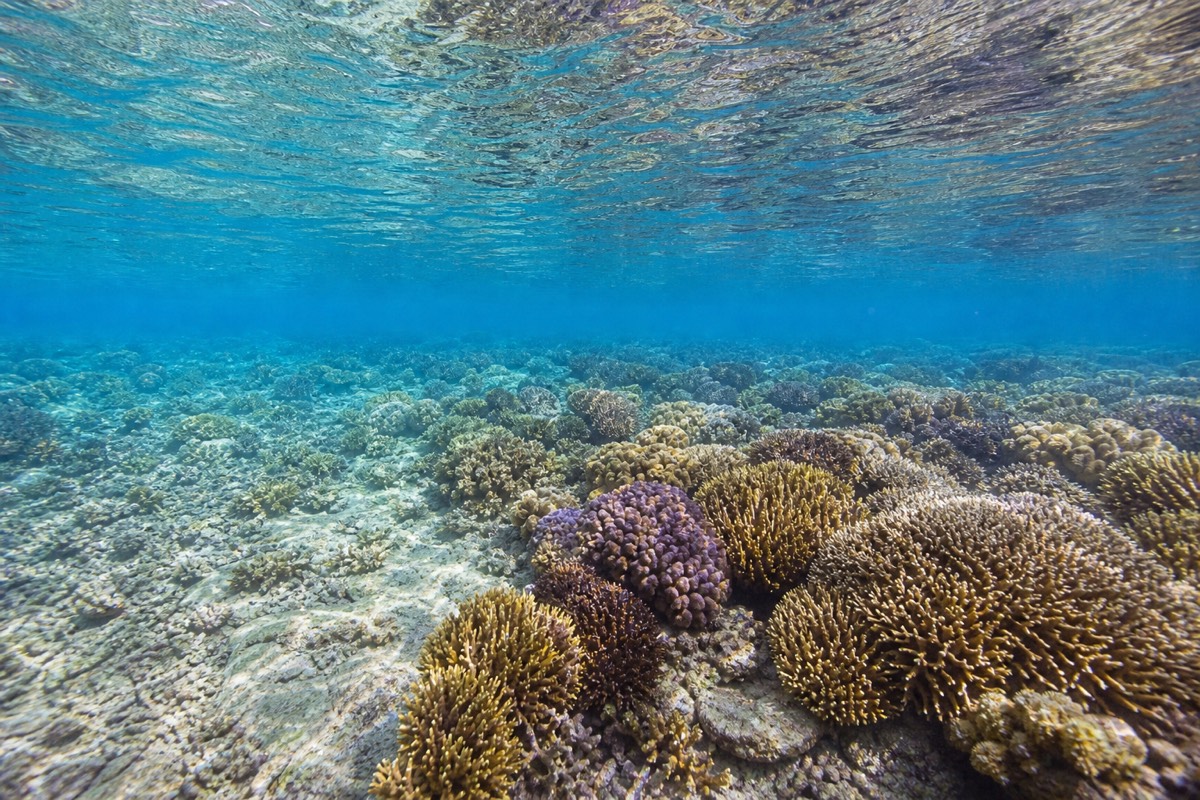
Snorkeling covers most of what the reef offers. Hard coral gardens, clams, turtles and the bulk of reef fish live within a few metres of the surface, exactly where a snorkeler floats. The Outer Great Barrier Reef & Coral Cay tour runs with snorkeling as the core activity and optional diving add-ons, which reflects how the majority of passengers actually use these boats. Visibility in the dry season, often 15 to 30-plus metres, means a snorkeler sees a long way down without needing to descend.
Diving adds three things: time at depth, closer access to structured formations like walls and bommies, and the experience itself. An introductory dive, which most outer reef tours sell as an add-on, requires no certification: an instructor briefs you, takes you down on a controlled dive, and you experience the reef from inside the water column rather than above it. Certified divers get more freedom and deeper sites. The trade is cost, logistics, and the fact that a first dive involves skills training that eats into pure looking-around time.
There is a full comparison of snorkeling versus scuba diving on the reef in the dedicated guide, including what an introductory dive costs and who should skip it. The short version for this page: if you have never dived and have one reef day, snorkel it. If diving is the point of your trip, book a tour with proper dive support or a liveaboard and do it properly.
Has Anyone Died Snorkeling The Great Barrier Reef?
Deaths have occurred on the reef, and pretending otherwise would be dishonest. The important context is that they are rare relative to the enormous number of people who snorkel there each year, and the documented causes cluster into a small number of preventable categories rather than animal attacks.
The risks that actually show up in reef incident reporting are these: pre-existing medical conditions, particularly cardiac events in older snorkelers; drowning linked to fatigue, panic or poor swimming ability; and, in the stinger season months, contact with box jellyfish or Irukandji in coastal waters. The reef's dangerous reputation is mostly misdirected. Sharks are present but reef species are not a realistic threat to snorkelers, and the animals that do warrant real caution are the small, seasonal, almost invisible ones: jellyfish. Operators manage the stinger window with stinger suits, and swimming inside netted enclosures is standard on beaches in the affected months.
For a full treatment of the animal risk picture, the dedicated guide on sharks, stingers and safety on the reef covers what the incident record shows and what precautions actually matter. The practical takeaway for deciding whether to book: if you can swim, follow the crew's briefing, and wear the flotation gear every tour provides, snorkeling the reef with a commercial operator is a low-risk activity. Crews brief passengers before every session, guides are in the water, and the tours are built around people who have never snorkelled before.
What Is The Best Month To See The Great Barrier Reef?
June through October is the answer for most travelers: dry season, the best visibility, often 15 to 30-plus metres, and the lowest chance of a weather cancellation. July through September is peak season, which means the best conditions and the fullest boats, so book ahead.
November through May is the harder half of the year. It contains the wet season, rough seas that can cancel or shorten trips entirely, and stinger season in coastal waters. It is also cheaper and quieter, and plenty of travelers visit in those months and have excellent days. The difference is flexibility. If you can shift your reef day to whichever day has the best forecast, the shoulder months can work beautifully. If you are locked to one date, the wet season gamble is a real gamble.
This page is not the deep-dive on seasonality. The full breakdown of month-by-month conditions, stinger season and how to choose a tour around them lives in the dedicated guide, including the worst-case months to avoid and what a wet season booking actually risks. Read that before locking dates. What belongs here is the single instruction that does most of the work: aim for June to October, book July to September early, and treat any November to May plan as conditional on the forecast.
The final say on reef conditions comes from the Great Barrier Reef Marine Park Authority, which publishes seasonal information and manages the marine park. Operators also post current conditions, and a call to the operator the day before is worth more than any forecast website.
Which Tour Is Worth It For Your Situation
There is no single best tour. There is a best tour for your swimming ability, your budget, your time budget, and your stomach. Here is the honest matching, based on what the listings actually show.
For Confident Swimmers Wanting The Best Coral
The Outer Great Barrier Reef & Coral Cay Snorkel/Dive Tour is the default recommendation, and the 15,633 bookings and 4.8 rating explain why. It runs a 20-metre catamaran to Wonder Wall and Upolu Coral Cay, includes lunch and gear, and sells optional dives. At $202 it sits in the middle of the outer reef price band. If you want one booking that maximises the chance of a great first reef day, this is the shape of it.
The volume figure deserves a second look, because it is the closest thing to objective evidence this question has. Fifteen thousand bookings is not a marketing claim, it is a count of people who paid and went, and the 4.8 rating is the verdict they left behind. No review can guarantee your day, but a satisfaction rate that high at that scale, sustained across seasons and weather, means the tour's floor is high: even a mediocre day on this boat is usually a decent one. That is exactly what a first-time visitor should be buying, because you cannot yet know how you will feel about open water.
For Non-Swimmers, Families And Tight Budgets
The $89 Green Island Snorkelling & Glass Bottom Boat Experience is the right product at the right price. It rates 4.3 across 1,696 bookings, which is solid for a budget option, and it suits anyone who wants to float in calm shallows, look down through a mask, or view coral through a glass bottom without entering deep water at all. Families with small kids and travelers who cannot swim get far more value here than from a rougher outer reef crossing they spend fearing. The compromise is coral quality: inner reef sites do not match the outer zones.
Comparing the two side by side makes the trade-off plain. Green Island: $89, rated 4.3, best for non-swimmers, families and short time budgets. Outer Reef & Coral Cay: $202, rated 4.8, best for confident swimmers wanting the best coral and clearest water. The $113 difference is not the interesting part. The interesting part is that both are honest products doing different jobs, and the bad reviews on each come mostly from people who bought the wrong one. Match the tour to the swimmer, not the other way round.
For Travelers With Half A Day
The Ocean Safari from Cape Tribulation, 4½ hours, rated 4.9 with over 9,000 bookings, is the standout short-format option. It pairs naturally with a Daintree or Cape Tribulation day, since you are already up that coast. You give up the deep outer reef and you get back most of a day for other things.
For People Who Want The Full Comparison
The decision framework matters because the worst outcome is not a bad tour, it is the wrong tour: a confident swimmer bored on Green Island, or a nervous non-swimmer white-knuckled through an outer crossing. Start from the comparison of all nine Great Barrier Reef tours rather than booking the first result you see, and read the full decision framework for matching a tour to your swimming ability and budget. If price is the deciding factor, the full cost breakdown covers where the money goes and where it does not.
Getting to the departure port is its own question, especially for travelers building the reef into an east coast itinerary from New South Wales. The article on getting to the reef from Sydney or Brisbane covers flights, connections and how much transit time to budget before your boat leaves the marina. A reef day that starts with a missed connection is a reef day lost, so plan the arrival for the day before.
One last note on why the choice deserves the effort. The Great Barrier Reef matters far beyond tourism: it is a World Heritage ecosystem of enormous scale and biological diversity, as documented by the Great Barrier Reef Marine Park Authority, and the revenue from well-run tourism is part of the economic case for protecting it. Going, seeing it, and understanding what a healthy section looks like is arguably the best argument for its continued conservation that any individual traveler can make. Book the right tour, in the right month, with the right expectations, and it is worth it.