How To Choose (And Where To Book) A Great Barrier Reef Tour
Nine operators run boats out of Cairns, Port Douglas and Cape Tribulation, priced anywhere from $89 to $521, and none of them are wrong exactly, they're just built for different trips. This is the framework for picking the right one before you pay.
To choose a Great Barrier Reef tour, decide the big trade-offs in order: day trip or liveaboard first, then small-group boat or large catamaran, then gateway town, then price. Most first-time visitors are best served by a full-day outer-reef snorkel tour from Cairns or Port Douglas, booked after checking exactly what the price includes, because the reef tax and fuel levy usually are not in the headline number.
Price tables and review counts in the original comparison are historical examples, not live quotes or safety evidence. Use the booking options below for current totals, inclusions and restrictions.
How Do You Choose A Great Barrier Reef Tour?
Most people booking their first reef trip open a search results page, see a wall of near-identical thumbnails of blue water and a catamaran, and pick whichever one shows up first or costs least. That works out fine sometimes. Other times someone books a four-hour half-day trip when what they actually wanted was a full day out at the outer reef, or pays $521 for a 2-day liveaboard when a $196 day tour would have covered everything on their list.
The fix is not more research. It is a short list of the right questions, asked in the right order. Nine operators, nine different boats, and a price spread of more than $400 between the cheapest and priciest option, each one built around a different set of trade-offs that rarely get spelled out clearly on the booking page itself. Working through those trade-offs once, before you book, saves the second-guessing that tends to creep in halfway through checkout.
The order matters, because each answer narrows the next choice. Here is the sequence that works:
- Day trip or liveaboard. Eight of the nine tours compared on this site are single-day trips, and that is the right call for almost everyone making one visit to the reef. Decide this first because it eliminates most of the field in one stroke.
- Small group or large catamaran. A boat capped at 24 guests puts you closer to the guide and shortens the wait at the platform. A large catamaran gives you more facilities and a lower price per person. Neither is better; they suit different travellers.
- Gateway and reef style. Cairns, Port Douglas and Cape Tribulation each reach different water, at different speeds, at different prices.
- Price comparison across platforms. GetYourGuide, Viator and the operator's own site frequently list the identical tour. Check the total at checkout on two of them before you pay.
- Inclusions and cancellation window. The reef tax, fuel levy, meals and gear are where two tours within $20 of each other turn out to be very different products.
The Price Spread, Laid Out Plainly
Before any of the decision-making, it helps to see the actual spread of what these choices cost. The figures below come straight from the tour listings on this site, which carry ratings and booking counts from their GetYourGuide and Viator pages.
| Tour (cheapest to most expensive) | Price (USD) | What stands out |
|---|---|---|
| Green Island Snorkelling | $89 | Cheapest tour on the site |
| Ocean Safari, Cape Tribulation | $155 | Shortest tour, half day |
| Outer GBR & Coral Cay | $202 | Most-booked tour, 15,633 bookings |
| ABC Reef Safaris | $456 | Highest-rated tour, 5.0 stars |
| 2-Day Twin Share | $521 | Only liveaboard option |
Read that table as a spread of honest trades rather than a quality ranking. The cheapest hour on the site belongs to a tour that never leaves the inshore island. The most expensive hour buys a 24-guest cap and a marine biologist in the water. Both are legitimate ways to see the reef. Neither trade is visible on a thumbnail.
How Many Sites Beats How Many Hours
Site count shapes your day more than duration does, because a listed 12-hour tour still spends most of those hours in transit, at lunch and on deck. Across these nine tours the range runs from one fixed location all day to three separate reefs, and shifting moorings is what changes the coral, the depth and the fish you actually swim past. Two moorings mean two different reef structures: a bommie field at one site and a coral wall at the next look nothing alike underwater.
The second stop is usually where people take their better photos, because by then the mask has stopped fogging and the group has spread out. A single-site day is not a bad day, it just gives you one habitat and asks you to look at it more slowly. That works well at a pontoon with a semi-submersible and a fish-feeding platform. It works less well if your whole reason for coming is variety.
Listed durations also measure very different things. The Outer Great Barrier Reef & Coral Cay Snorkel/Dive Tour shows 12 hours because it counts a long catamaran run out to Wonder Wall and Upolu Coral Cay and back. The Calypso Outer Reef Snorkeling & Diving Experience shows 7 hours and still reaches three sites around Agincourt and Opal Reef, because Port Douglas sits closer to that stretch of the outer reef. Shorter on paper, more reef in practice.
Dividing each tour's listed price by its listed duration is a rough sanity check on what you are paying for boat time, not a quality score, and it deliberately flatters the long, slow trips. Read it alongside the site column rather than on its own.
| Tour | Listed duration | Sites on the listing | Price | Price per listed hour |
|---|---|---|---|---|
| Green Island Snorkelling & Glass Bottom Boat | 9 hours | 1 island, shore snorkel | $89 | ~$9.90 |
| 2-Day Snorkeling Experience Twin Share | 48 hours | 3 (Saxon, Norman, Hastings) | $521 | ~$10.85 |
| Outer GBR & Coral Cay Snorkel/Dive Tour | 12 hours | 2 (Wonder Wall, Upolu Coral Cay) | $202 | ~$16.85 |
| Frankland Islands All-Inclusive Day Trip | 8 hours | Normanby Island | $186 | ~$23.25 |
| From Cairns: GBR Full-Day Adventure Tour | 8 hours | 2 reef sites | $196 | ~$24.50 |
| Quicksilver GBR Snorkeling Adventure | 8 hours | 1 (Agincourt Reef pontoon) | $24 | ~$30.10 |
| Calypso Outer Reef Snorkeling & Diving Experience | 7 hours | 3 (Agincourt / Opal) | $223 | ~$31.85 |
| Ocean Safari, Cape Tribulation | 4½ hours | 2 (Mackay Reef) | $155 | ~$38.75 |
| ABC Reef Safaris GBR Adventure | 7 hours | Rudder Reef and outer reef, count not stated | $456 | ~$65.15 |
Day Trip Or Liveaboard
A single day trip is the right call for almost everyone with one visit planned. It runs 8 to 10 hours door to door with 3 to 4 hours of actual snorkelling across 2 to 3 sites. A liveaboard makes sense specifically if you want more total water time, a night snorkel, or a quieter reef once the day boats have gone home for the afternoon.
On this site, the overnight choice is really a choice of one: the 2-Day Great Barrier Reef Snorkeling Experience Twin Share ($521, 4.2 stars, 520 bookings) is the only overnight product listed, running aboard the OceanQuest 35m catamaran to Saxon, Norman and Hastings reefs, with twin-share cabins and a night snorkel called "Fish After Dark". Everything else is a single day out of Cairns, Port Douglas or Cape Tribulation.
| Single day trip | 2-Day liveaboard (twin share) | |
|---|---|---|
| Typical duration | 8-10 hours door to door | 48 hours (2 days, 1 night) |
| Reef sites visited | 2-3 | 3 (Saxon, Norman, Hastings) |
| Actual water time | ~3-4 hours | Multiple sessions across 2 days plus a night snorkel |
| Price range on this site | $89-$241 | $521 |
| Best for | Most first-time and one-off visitors | Snorkellers who want more time and a quieter reef |
If you are weighing that overnight option seriously, the liveaboards and multi-day guide covers what a night aboard actually involves, from cabin setup to the extra snorkel sessions day boats cannot offer.
Small Boat Or Big Catamaran
Group size changes the trip meaningfully. A boat capped at 24 guests puts you closer to the guide, with less time waiting for a spot at the platform. A larger catamaran usually means a bigger range of facilities and a lower price per person. Whether that trade is worth it depends on whether you would rather have elbow room in the water or a wider range of onboard extras.
The clearest example on this site is the ABC Reef Safaris Great Barrier Reef Adventure, capped at 24 guests with a six-guests-per-guide ratio and a marine biologist in the water, versus the Outer Great Barrier Reef & Coral Cay Snorkel/Dive Tour, which runs on a 20m catamaran to Wonder Wall and Upolu Coral Cay and is the most-booked tour on the whole site at 15,633 bookings. Both are excellent reefs. They suit different travellers: ABC Reef Safaris for people who want a personal, guided experience and do not mind paying $456 for it, the Outer Reef tour for people who want a well-reviewed, high-volume operator at $202.
At the larger end, the Quicksilver Great Barrier Reef Snorkeling Adventure runs to a permanent pontoon at Agincourt Reef through the largest, most established operator in the region. That scale shows up as more onboard structure, a semi-submersible and a helmet dive option, rather than a small-group feel.
| Tour | Group style | Guide ratio / setup | Price |
|---|---|---|---|
| ABC Reef Safaris GBR Adventure | Small group, capped at 24 | 6:1, marine biologist in the water | $456 |
| Outer GBR & Coral Cay Snorkel/Dive Tour | Large catamaran (20m) | Standard crew, drift snorkelling | $202 |
| Quicksilver GBR Snorkeling Adventure | Large, established operator | Permanent pontoon, semi-submersible | $241 |
A gut check that works for most travellers: think about how you feel in a packed restaurant versus a quiet one. That same preference usually carries straight through to how you will feel sharing a snorkel platform with 20 people versus 60.
Where To Book, And The Reef Tax
GetYourGuide and Viator are both established booking platforms listing real operator inventory with free-cancellation windows on most listings, and booking direct simply skips the middleman. Across the nine tours compared here, listings sit on both platforms rather than one exclusively, so the choice mostly comes down to whichever platform already has your payment details, plus whichever is currently showing the better price for the exact same tour. Neither has a track record of being systematically cheaper. Promotional pricing moves week to week on both, so this month's cheaper platform is not guaranteed to hold that edge next month. Open the same tour in two tabs and compare the total at checkout, not the headline price, since fees and currency conversion can shift the final number slightly. It is a five-minute check, not a research project.
The bigger trap is the reef tax. The Great Barrier Reef Marine Park Environmental Management Charge, commonly called the reef tax, currently runs $8.50 AUD per person for a full-day visit and about $4.25 for a part-day visit. Several tour listings note an additional $8-10 AUD fuel surcharge or marine park charge collected separately at check-in. This is a real, government-administered fee, not an operator markup: it is set and collected under the Great Barrier Reef Marine Park Authority's own Environmental Management Charge rules, and it funds management, monitoring and compliance work across a marine park covering 344,400 km². Before you book, check the inclusions section for the words "marine park charge", "reef tax", "EMC" or "fuel levy". If it is not listed as included, budget for it separately and bring a card or cash, because most operators collect it at the counter on the morning of the trip.
On inclusions generally: snorkel gear is included on every tour compared here, but meals, hot showers and specialty extras only appear on the tours built around them. Two tours priced within $20 of each other can differ a lot. The From Cairns Full-Day Adventure Tour lists a buffet lunch and hot showers as part of its $196 price. ABC Reef Safaris includes a gourmet buffet at $456. Quicksilver's pontoon brings facilities a smaller boat cannot carry: a stable floating platform, a semi-submersible and the Ocean Walker helmet dive. The 2-day twin-share is the only tour with cabin accommodation built into the price. Read the inclusions list on the actual listing rather than assuming.
Pontoon, Island Or Dive Boat: Which Style Suits You
Once you have settled the day-trip question, the next fork is what kind of platform you want to snorkel from. There are three broad styles on this reef, and they produce genuinely different days even when the coral underneath is equally good.
The Pontoon Day
A pontoon tour runs to a permanent, moored platform fixed to the reef, and on this site the example is Quicksilver's operation at Agincourt Reef. The pontoon changes the rhythm of the day entirely. You are not limited to the water: there is a semi-submersible that runs underwater without you needing to swim, fish feeding from the platform, and the Ocean Walker helmet dive, which lets you walk on the seabed with your head in an air-filled helmet. The platform is stable, which matters enormously for anyone nervous about open water, seasickness or swimming ability, and there are crew and facilities on hand all day.
The trade-off is the fixed location. One pontoon means one reef structure for the whole day, and it means sharing that structure with everyone else booked on the large vessel that services it. This is the style for families with mixed confidence levels, older travellers, and anyone whose group includes people who may not want to get wet at all. At $241 for the 8-hour listing, it is the middle of the price range on this site, and the per-hour figure flatters it less than you would expect because you are buying facility, not transit.
The Island Day
An island tour bases you on dry land, usually with shore snorkelling rather than a boat moored over the reef. The Green Island Snorkelling & Glass Bottom Boat tour is the clearest example at $89, the cheapest tour on this site, and the Frankland Islands All-Inclusive Day Trip ($186) is the upmarket version, reaching Normanby Island. Cape Tribulation's Ocean Safari ($155, half day) works similarly in spirit, anchoring at Mackay Reef close to shore.
The island style trades outer-reef coral quality for convenience and price. Green Island sits close to Cairns, so the transit is short and the water is sheltered, but inshore islands do not have the coral walls and visibility of the outer reef. Frankland Islands splits the difference: further out, less developed, and with a sand cay that gives you a rest between swims. An island day suits travellers who want sand under their feet at lunch, easy entry and exit from the water, and a lower price. It suits dedicated snorkellers least well, because the best coral and fish density sit on the outer reef.
The Dive Boat Day
The dive boat style is a vessel that moors at open-water reef sites and puts you in the water from the boat itself, moving between two or three moorings across the day. The Calypso Outer Reef Snorkeling & Diving Experience (three sites around Agincourt and Opal Reef, $223), the Outer GBR & Coral Cay Snorkel/Dive Tour (Wonder Wall and Upolu Coral Cay, $202) and ABC Reef Safaris (Rudder Reef and the outer reef, $456, capped at 24 guests) all sit in this category, though ABC operates more like a boutique version of it.
This is the style for people whose main goal is the water itself. You get multiple habitats, drift snorkelling over walls and bommies, and the option of introductory scuba dives on boats licensed for it. The trade-off is that everything happens from the boat: entry is by ladder or platform, there is no land at lunch, and a rough day on the water is felt more on a dive boat than on a pontoon or island. Seasickness-prone travellers should think carefully here, and should read up on the differences between snorkelling and scuba on the reef before paying for a dive option they may not use.
Which One, Quickly
Time aboard is not the same as time snorkeling. Compare the full overnight quote with two day trips plus accommodation, using the same inclusions and party size.
Picking The Right Gateway: Cairns, Port Douglas Or Cape Tribulation
The gateway determines which part of the reef you reach, how long the ride takes, and how much you pay. It is not a cosmetic choice.
Cairns is the region's main hub and offers the widest spread of products, from the $89 Green Island tour to the $521 liveaboard, because the port services both inshore islands and outer-reef runs. The trade-off is distance: outer reef sites from Cairns involve a longer transit, which is why the Outer GBR & Coral Cay tour lists 12 hours against Calypso's 7. If you want maximum choice and are staying in or near the city, Cairns is the practical default.
Port Douglas sits closer to the stretch of outer reef around Agincourt and Opal, so its boats reach the same class of coral in less time. Calypso's 7-hour, three-site day out of Port Douglas is the proof. The Quicksilver pontoon at Agincourt also departs from this part of the coast. Travellers staying in Port Douglas get shorter rides and calm-water access to the outer reef; travellers staying in Cairns need to factor in the coastal transfer to reach those departures.
Cape Tribulation is the budget and time option, not the coral option. The Ocean Safari runs a 4½-hour half day to Mackay Reef at $155, which is the shortest tour on this site. It suits travellers already based in the Daintree area who want a taste of the reef without dedicating a full day, and it is the only one of the nine that does not depart from a major port. If you are choosing between the three gateways as the core of your whole trip, the full comparison of Cairns, Port Douglas and the Whitsundays covers the trade-offs beyond the reef day itself.
What Is The Best Month To Visit The Great Barrier Reef?
There is no single best month for the whole reef, because the region's weather divides into two distinct halves of the year and the right answer depends on whether you are optimising for water warmth, water clarity, crowd levels or price. That said, if one answer had to be given to most first-time visitors booking a snorkel day trip out of Cairns or Port Douglas, it would be the Australian winter and early spring, roughly June through October. Here is the reasoning in full, because this is the question the rest of the internet tends to answer in three sentences.
The Two Halves Of The Year
Tropical North Queensland has a wet season and a dry season rather than four seasons. The dry season, broadly May to October, brings lower humidity, cooler air temperatures, less rainfall and steadier conditions. The wet season, broadly November to April, brings heat, humidity, monsoonal rainfall, and the presence of marine stingers in coastal waters, which is why stinger suits become standard kit on many tours in those months. The dry season is also peak tourist season for the region, which means the trade you are making when you book June through September is: better conditions and safer water, but more people and higher prices.
The wet season is not a write-off, and honest advice requires saying so. Summer brings warmer water for longer snorkel sessions without a wetsuit. Rainfall can reduce visibility on inshore sites, and cyclone risk is real in the region across the summer months, though a cyclone does not need to hit Cairns directly to disrupt a trip: operators cancel and reschedule when conditions are unsafe, and booking a summer trip means accepting a higher chance of a rearranged day. The deeper question of what climate pressure and bleaching events mean for the reef's long-term condition is covered separately in the guide to whether the Great Barrier Reef is dying.
Month By Month, Honestly
June to August (Australian winter) is the safest all-round answer. Air temperatures are comfortable, humidity is low, rainfall is at its lowest, and marine stingers are effectively absent from tour waters, so stinger suits are generally not required. Water temperature is at its coolest for the year, which means many operators provide wetsuits included in the price, and most snorkellers are glad of one. The trade-offs are crowds and peak pricing, and June through August is also the region's high season for domestic tourism.
September and October are arguably the sweet spot for many travellers. Conditions remain largely dry-season, the water has warmed from its winter low, tourist numbers begin to ease after the school holidays end, and this is a strong window for combining a reef day with other Far North Queensland activities. Visibility is often at its best in the dry months, and October sits late enough in the dry season to catch warm water without yet hitting stinger season.
May and November are the shoulder months, each carrying half of a trade. May is the tail of the safer-water period with warming water and thinning crowds, though early-season weather can be unsettled. November is the tail end of the dry but sits at the start of stinger season, which begins in earnest around this month, and heat and humidity build quickly.
December through March is the wet season proper. The honest summary: warm water, low prices, fewer crowds, and a materially higher chance of rain, reduced inshore visibility, and stinger precautions. Travel in this window with flexible plans and a refundable booking.
April is transitional, with the wet season usually easing and stinger season still technically running until May. It can deliver excellent, quiet days, but it is the least predictable month on the calendar.
What This Means For Booking
Three practical points follow from all of the above. First, book the winter and early-spring window early, because the popular tours fill first and this is the season when the most-booked operators, such as the Outer GBR & Coral Cay tour with its 15,633 bookings, are under the most pressure. Second, if you are travelling in the wet season, prioritise the free-cancellation window on the listing and read its terms, since both major platforms typically offer one but the exact hours vary by operator. Third, inshore versus outer reef matters more in summer: rain and runoff degrade inshore visibility first, so a summer trip is a stronger argument for paying more to reach outer-reef sites such as Agincourt, Opal or the reefs off the Calypso and ABC itineraries. Operators report conditions and suitability honestly at check-in, and a good one will tell you if the day you picked will not deliver the visibility you came for.
When Not To Visit The Great Barrier Reef
This section is the honest counterpart to the one above, and the answer is more nuanced than a season. The reef runs tours 365 days a year, and the question is rarely whether you can visit, it is whether the version of the reef you will get matches the version you are paying for.
Times To Be Wary Of
Peak wet season, roughly December through March, for inshore trips. Monsoonal rain and river runoff hit inshore water first and hardest. A Green Island or Frankland Islands day in this window can still be pleasant, but visibility is the single biggest driver of how good a snorkel day feels, and inshore visibility is what degrades. If you must travel in this window, spend the extra money on an outer-reef tour.
The height of stinger season without a suit. From roughly November through May, marine stingers are present in tropical Queensland waters and operators manage this with stinger suits, swimming enclosures on beaches and, on outer reefs, generally lower risk due to distance from mainland rivers and beaches. Do not skip the suit if the operator provides one, and do not swim from unpatrolled mainland beaches in this window. The specifics of which animals matter, box jellyfish and Irukandji among them, are covered in the guide to reef safety: sharks, stingers and crocodiles.
Cyclone watches and warning periods. The region's cyclone season coincides with the wet season. A tour does not run in unsafe conditions, and operators cancel or reschedule. If your itinerary has zero flexibility, meaning you fly out the next morning, a wet-season booking carries a real risk of simply not happening.
Major local event weeks when you have not booked ahead. Peak dry-season weeks, school holidays and festival periods in Cairns fill the popular boats. The most-booked operators on this site run at high volume for a reason, and that volume has limits.
When The Answer Is Simpler
For most travellers, the honest bottom line is this: avoid the wet season if your dates are fixed and your trip is a once-only event, and avoid the peak of the dry season if crowds genuinely ruin things for you. Between those poles, almost any month will deliver a good day on a well-chosen tour, because the deciding factor is less the month and more the match between the tour and the traveller, which is what the rest of this page is about. The related question of whether one day at the reef is enough, or whether a bad-weather day should push you to add a second, is covered in the guide to whether the Great Barrier Reef is worth it.
What Months Is Stinger Season In Cairns?
Stinger season in Cairns and the wider Far North Queensland coast runs from roughly November through May. Those are the months when marine stingers, the dangerous box jellyfish and the small Irukandji jellyfish among them, are present in tropical Queensland coastal waters. The months either side of that window, June through October, are considered the low-risk period, and this is one of the core reasons the dry-season winter months are the default recommendation for a first reef trip.
What Stinger Season Actually Means On A Tour
The season does not mean the reef closes, and it does not mean tours stop running. What changes is the equipment and the precautions. Operators provide stinger suits, full-body lycra suits that protect the covered skin from stings, and wearing one is standard practice on tours in the season. The listing's inclusions or what's-provided section will almost always state whether a stinger suit or wetsuit is included in the price or available for hire, and this is worth checking before you book a summer trip, because a family of four hiring suits adds a real cost to a budget tour.
Geography matters too. Outer reef sites sit far from the mainland beaches and river mouths where stingers concentrate, and the operators that run there treat the risk differently from inshore island tours. An outer-reef day in February and a beach swim off Cairns in February are two very different risk profiles, and conflating them is how this question gets answered badly elsewhere.
Practical Rules For The Season
- Wear the suit the operator provides, every time, for the whole session, in season. It is a few minutes of nuisance against a sting that can kill, in the case of box jellyfish, or hospitalise, in the case of Irukandji.
- Swim only where operators and lifeguards manage the water: on tours, at patrolled beaches, and inside stinger enclosures where they are provided.
- Never swim at unpatrolled mainland beaches between November and May. This is the single highest-risk behaviour in the region in stinger season.
- Follow the crew's briefing at check-in. Crew brief passengers that conditions and site selection are adjusted for the season, and a good operator will tell you plainly what the day's risk picture looks like.
If your dates fall inside November to May and this is a real concern for you, the full breakdown of the animals involved, the sting risks, and the other hazards people worry about, including sharks and crocodiles, lives in the reef safety guide.
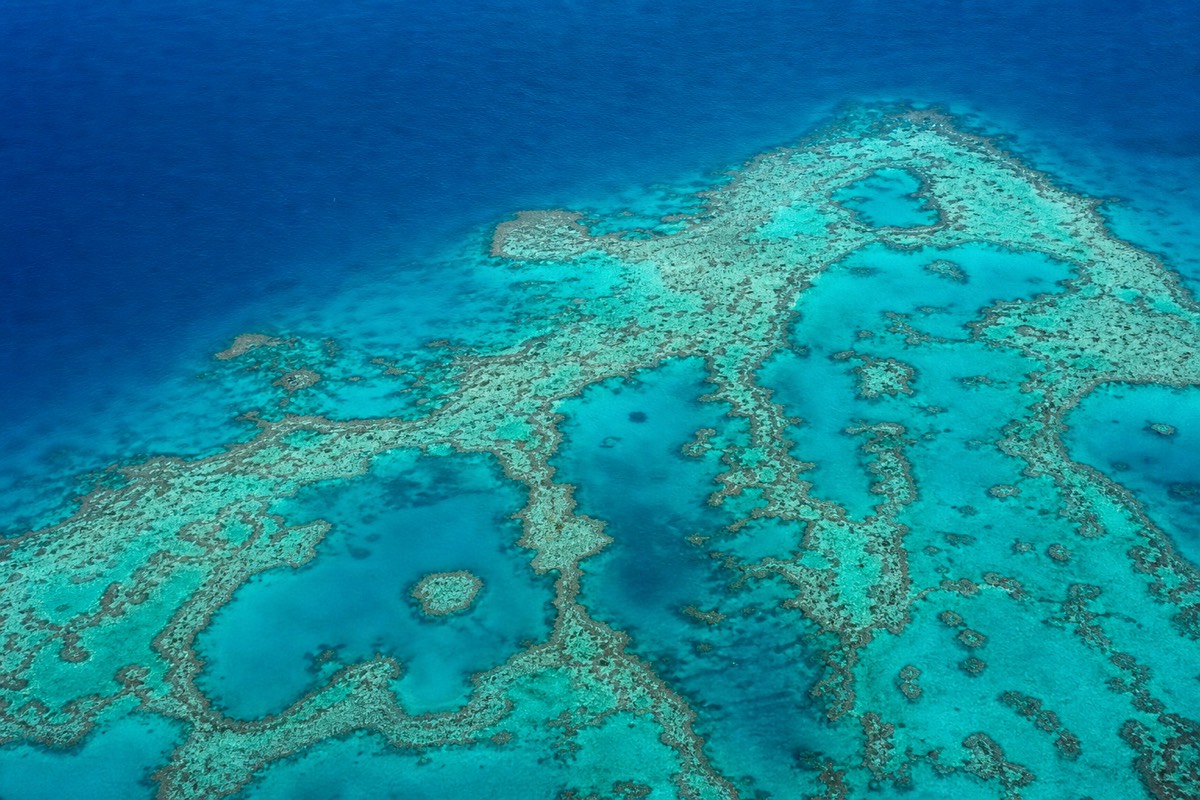
How Long Is The Boat Ride To The Great Barrier Reef?
The honest answer is that "the Great Barrier Reef" is not one place, and ride time depends entirely on which gateway you leave from and which style of tour you book. The listings on this site give concrete numbers.
The shortest rides belong to the island and inshore products. Green Island sits close to Cairns, which is how the Green Island tour fits a full experience, including a glass bottom boat, into a 9-hour day at $89. The Ocean Safari out of Cape Tribulation reaches Mackay Reef in a half-day, 4½-hour trip, the shortest tour on this site, because Mackay Reef sits close to that stretch of coast.
The outer reef takes longer. The Outer GBR & Coral Cay tour lists 12 hours precisely because the catamaran run out to Wonder Wall and Upolu Coral Cay and back eats most of the difference against shorter tours. The Calypso experience out of Port Douglas lists 7 hours and still covers three sites, because Port Douglas starts closer to the outer reef around Agincourt and Opal. Quicksilver's 8-hour day to the Agincourt pontoon follows the same logic: closer gateway, but a large vessel and a fixed platform to service.
What this means for your planning: expect roughly 8 to 12 hours door to door for an outer-reef day trip from the Cairns area, with 3 to 4 hours of that actually spent in the water. Do not book an outer-reef day if you cannot tolerate a long boat ride, and do not assume a longer listed duration means more snorkelling. It usually means the opposite. Anyone travelling from further afield should also check how to get to the Great Barrier Reef from Sydney or Brisbane before locking in reef day dates.
Options For Non-Swimmers
A non-swimmer can absolutely have a good Great Barrier Reef day, but only on tours built for it, and the style choice made earlier in this page matters more here than anywhere else.
The pontoon product is the strongest answer. Quicksilver's permanent platform at Agincourt Reef carries a semi-submersible, which is exactly what it sounds like: a vessel that rides partly underwater with windows, so passengers sit dry in a cabin and watch the coral and fish pass by. The same pontoon offers the Ocean Walker helmet dive, where you walk on a platform underwater with your head inside a helmet holding air, no swimming and no mask required. A fish-feeding display adds to it. For someone who will not or cannot get into open water, this is the fullest reef experience available.
The Green Island tour's glass bottom boat serves the same purpose at a lower price: coral and fish viewed through a hull window, plus the option to stand on an island rather than a deck all day. Frankland Islands offers sand-cay time where shallow, calm water can be waded rather than swum, which suits nervous swimmers better than a dive-boat ladder.
What does not work well for non-swimmers: the dive-boat style. Entry from a moving platform into deep open water, drift snorkelling over walls, and no land all day assume water confidence. If your group is mixed, half confident swimmers and half not, the pontoon is the compromise that keeps everyone on the same booking. Operators also provide flotation aids on most tours, and crew brief passengers on where weak swimmers can stay within their depth, but it is far better to match the tour to the weakest swimmer in the group than to hope the boat solves it.
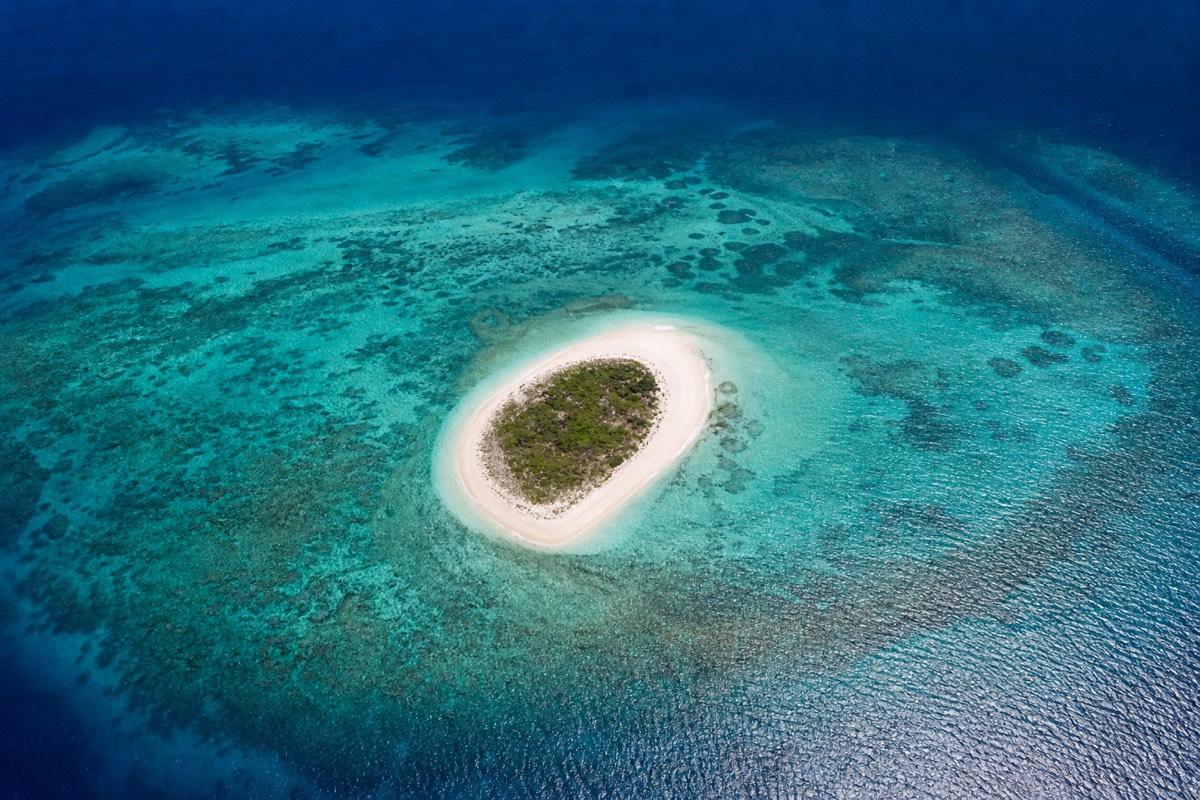
What Is The Cheapest Way To Visit The Great Barrier Reef?
Among the nine tours compared on this site, the cheapest is the Green Island Snorkelling & Glass Bottom Boat tour at $89, which is an island-style day out of Cairns with shore snorkelling and a glass bottom boat. The Ocean Safari from Cape Tribulation follows at $155 for a 4½-hour half day. The cheapest way to reach the outer reef proper is the Outer GBR & Coral Cay Snorkel/Dive Tour at $202, the most-booked tour on this site at 15,633 bookings.
Three levers move the price down. First, inshore over outer: island tours cost less because they burn less fuel and less crew time, at the cost of coral quality and visibility. Second, big boat over small: the 20m catamaran at $202 against the 24-guest ABC Reef Safaris at $456 is the clearest example of what paying for intimacy costs on this reef. Third, book smart rather than hard: the same tour is often listed on both major platforms, and the total at checkout can differ slightly between them, so a two-tab comparison before payment is the one free saving available.
Do not forget the extras when calculating the real floor price. The reef tax, $8.50 AUD for a full day, plus a fuel surcharge of $8-10 AUD on some operators, is collected at check-in if not included, and stinger suit or wetsuit hire on tours that do not include it can add more. A headline of $89 is not the number that leaves your account. For the full breakdown of where reef trip money goes and what the realistic all-in figures look like across day trips, liveaboards and families, the complete cost guide does that math in detail.
Matching The Nine Tours To Your Answer
Everything above compresses into a simple matching exercise. Work out which description fits you, then read the corresponding tour's listing before booking. Prices and figures come from the GetYourGuide and Viator listings for each product.
If You Want The Cheapest Genuine Reef Day
Green Island Snorkelling & Glass Bottom Boat, $89, 9 hours, one island with shore snorkelling. The lowest price on this site, and the glass bottom boat means even non-swimmers see coral. Trade-off: inshore island water, not the outer reef, and at roughly $9.90 per listed hour it is the cheapest time on the site because the transit is short.
If You Are Based In The Daintree Or Short On Time
Ocean Safari, Cape Tribulation, $155, 4½ hours, Mackay Reef. The shortest tour listed. It buys you a taste of the reef in half a day close to shore. It will not substitute for an outer-reef day if coral quality is your priority.
If You Want The Proven Crowd-Pleaser At Mid Price
Outer Great Barrier Reef & Coral Cay Snorkel/Dive Tour, $202, 12 hours, Wonder Wall and Upolu Coral Cay, 15,633 bookings and the most-booked tour on this site. A large 20m catamaran with drift snorkelling. You are paying a modest price for a high-volume, well-reviewed machine, and sharing the water with a big group is the trade.
If You Want A Cairns Day Trip With Comforts Bundled In
From Cairns: GBR Full-Day Adventure Tour, $196, 8 hours, two reef sites, buffet lunch and hot showers included. Within $20 of the Outer GBR tour but with a different value proposition: shorter day, meals included, two sites.
If You Want Outer Reef With Sand Under Your Feet
Frankland Islands All-Inclusive Day Trip, $186, 8 hours, Normanby Island. Island style at close to dive-boat pricing, and the sand cay makes it the strongest non-swimmer-friendly option after the pontoon.
If You Want Three Sites In The Shortest Outer-Reef Day
Calypso Outer Reef Snorkeling & Diving Experience, $223, 7 hours, three sites around Agincourt and Opal Reef. The listing's own numbers make the case: more sites in fewer hours than the Cairns equivalents, because Port Douglas starts closer.
If You Want Facilities And Confidence Over Intimacy
Quicksilver GBR Snorkeling Adventure, $241, 8 hours, permanent pontoon at Agincourt Reef. Semi-submersible, Ocean Walker helmet dive, stable platform, the region's largest and most established operator. The right call for mixed groups, nervous swimmers and families, at the cost of a fixed location and high passenger numbers.
If You Want The Best-Guided Day And Will Pay For It
ABC Reef Safaris Great Barrier Reef Adventure, $456, 7 hours, Rudder Reef and the outer reef, capped at 24 guests, six-guests-per-guide ratio, a marine biologist in the water, gourmet buffet, 5.0 stars and the highest rating on this site. At roughly $65 per listed hour it is the most expensive time here, and what it buys is exclusivity and guiding quality rather than transit.
If You Want More Than A Day
2-Day Great Barrier Reef Snorkeling Experience Twin Share, $521, 48 hours aboard the 35m OceanQuest to Saxon, Norman and Hastings reefs, twin-share cabins, the "Fish After Dark" night snorkel, 4.2 stars across 520 bookings. The only overnight option on this site, and the only way here to be on the reef after the day boats leave.
The One-Paragraph Summary
Most first-time visitors land on one of three answers. Budget and family-friendly: Green Island at $89 or Frankland Islands at $186. The default recommendation, the best balance of price, reef quality and reliability: the Outer GBR & Coral Cay tour at $202 or Calypso at $223, depending on whether you value included comfort or more sites. Premium: ABC Reef Safaris at $456 or the 2-day liveaboard at $521. Pick the row that matches your answer to the style and budget questions above, then do the two-tab price check and read the inclusions list before you pay. That is the entire method.