Cairns Vs Port Douglas Vs Whitsundays: Where To Base Yourself For The Great Barrier Reef
Three Queensland towns market themselves as the gateway to the Great Barrier Reef, and they are not interchangeable. Here's how Cairns, Port Douglas and the Whitsundays actually differ, and exactly which tours depart from each one.
Choose Cairns if you want the widest choice of reef tours and prices, from an $89 Green Island shore snorkel to a $521 two-day liveaboard. Choose Port Douglas if you want fewer, higher-rated trips, including a 5.0-star small-group tour at $456. The Whitsundays is not a suburb of either: it sits hundreds of kilometres south and runs on a completely different model built around sailing and island-hopping.
Price tables and review counts in the original comparison are historical examples, not live quotes or safety evidence. Use the booking options below for current totals, inclusions and restrictions.
Cairns Or Port Douglas For The Great Barrier Reef?
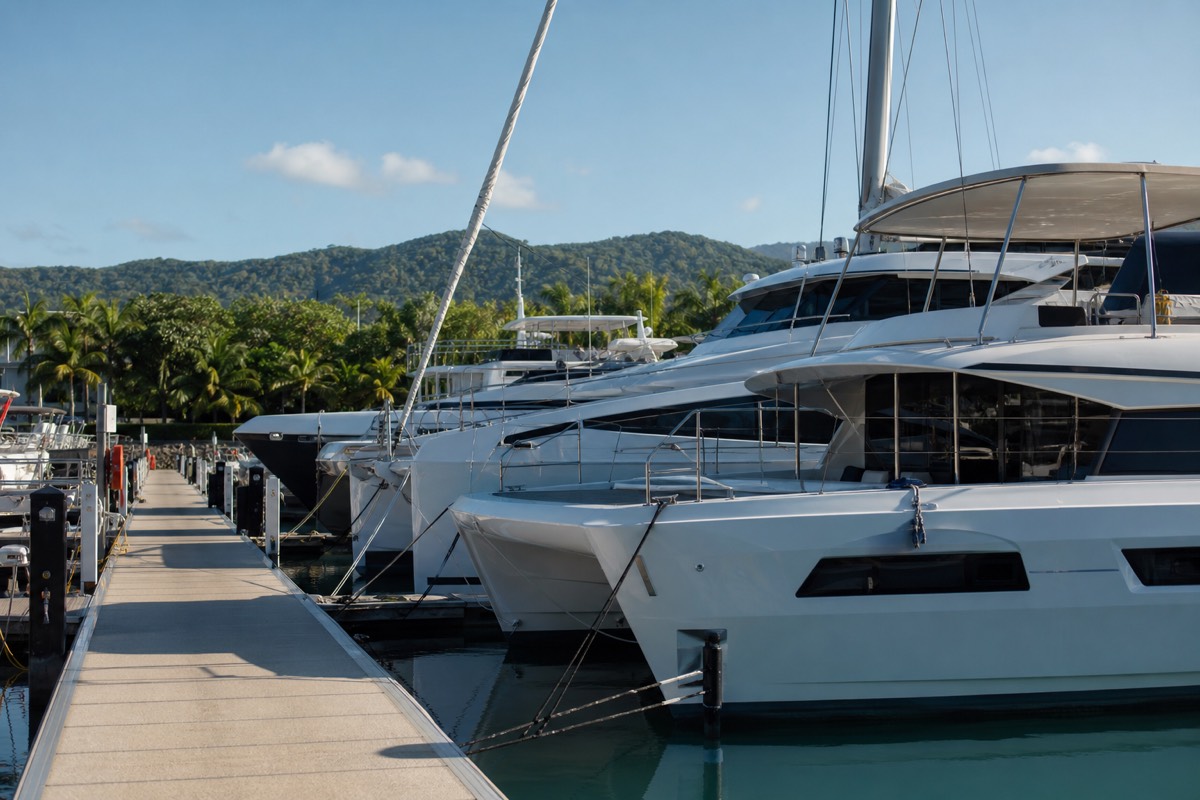
Fly into Cairns and you land in a full regional city: a casino, a night market strip, an airport with direct flights from half of Australia's capitals, and a marina lined with reef boats loading passengers before 8am. Drive an hour north and Port Douglas feels like a different scale of place entirely, a resort town built around Four Mile Beach and a single upscale marina. The two towns sit on the same stretch of Tropical North Queensland coast, feed into the same World Heritage marine park, and yet deliver noticeably different reef trips.
The shorthand version you will read in most forum threads, including the many Reddit discussions that rank highly for this exact question, goes something like this: Cairns for budget hotels and nightlife, Port Douglas for a relaxed luxury resort vibe closer to pristine outer reefs. That shorthand is broadly right but it hides the part that actually matters when you are deciding where to book. The two towns do not just differ in atmosphere, they differ in what kind of boat you will step onto, how many strangers will be on it with you, and which patch of coral sits underneath you at midday.
Count the nine tours tracked on this site and the split is five departing Cairns, three departing Port Douglas, and one departing Cape Tribulation, which sits a short way further north in the Daintree. Zero of the nine depart from the Whitsundays, because the Whitsundays is a separate region several hundred kilometres south with its own operators, its own airports, and a different style of trip altogether. That split is not a random sample, it reflects where the bulk of day-tour reef traffic in Tropical North Queensland genuinely originates: Cairns as the biggest hub by volume, Port Douglas as the smaller secondary hub, and Cape Tribulation as a niche departure point for people already staying in the Daintree rainforest.
Look at the price tags and the character difference becomes concrete. Cairns tours on this site run from $89 to $521, the widest genuine range of any base, and their ratings spread from 4.2 to 4.8. Port Douglas tours all sit at or above $223, none dip below a 4.6, and one of them carries a perfect 5.0 rating from its GetYourGuide listing, the highest single rating among all nine tours. So the real question is not which town is "better". It is whether you want maximum choice at every price point, or a smaller menu skewed hard toward premium, small-group trips.
Logistics push most travellers toward Cairns by default, and there is a real reason for that. Cairns Airport is the main gateway for this stretch of coast with direct domestic connections from the bigger southern capitals, so it is usually the cheaper and simpler place to fly into even if you plan to base yourself elsewhere. Port Douglas has no airport of its own. Getting there means flying into Cairns first and continuing by road, roughly an hour along a coastal route that plenty of visitors treat as part of the trip rather than a chore. The drive itself is one of the better arguments for the town: the road hugs the coastline for much of the way, and many travellers schedule it as a deliberate slow start to a holiday rather than a transfer to be endured. Still, it is an hour added to both ends of your trip, and early reef departures from Port Douglas mean very early alarms if you are sleeping in Cairns and driving up for a boat.
Neither arrangement is difficult, but one is simpler, and if you are connecting through Sydney or Brisbane the flight plan matters as much as the boat plan. The route into either town from the southern capitals is covered separately in how to reach the reef from Sydney or Brisbane.
The Whitsundays runs on an entirely separate flight path, generally through Proserpine or Hamilton Island, which is part of why it functions as its own region rather than a day-trip extension of Tropical North Queensland. More on that in its own section below, because treating it as a third option alongside Cairns and Port Douglas without explaining the difference is how people end up booking the wrong trip entirely.
One practical framing helps before the detail. Think of the decision as two questions stacked on top of each other. The first question is which region, Tropical North Queensland or the Whitsundays, because those genuinely are different trips. The second question, Cairns or Port Douglas, is a choice within one region where the same marine park, the same season and often the same weather systems apply, so the differences are about boats, budgets and baselines rather than about fundamentally different reefs. Most of this guide is about that second question, because it is the one most travellers agonise over and the one forum threads keep relitigating.
Cairns: What It Is Good At
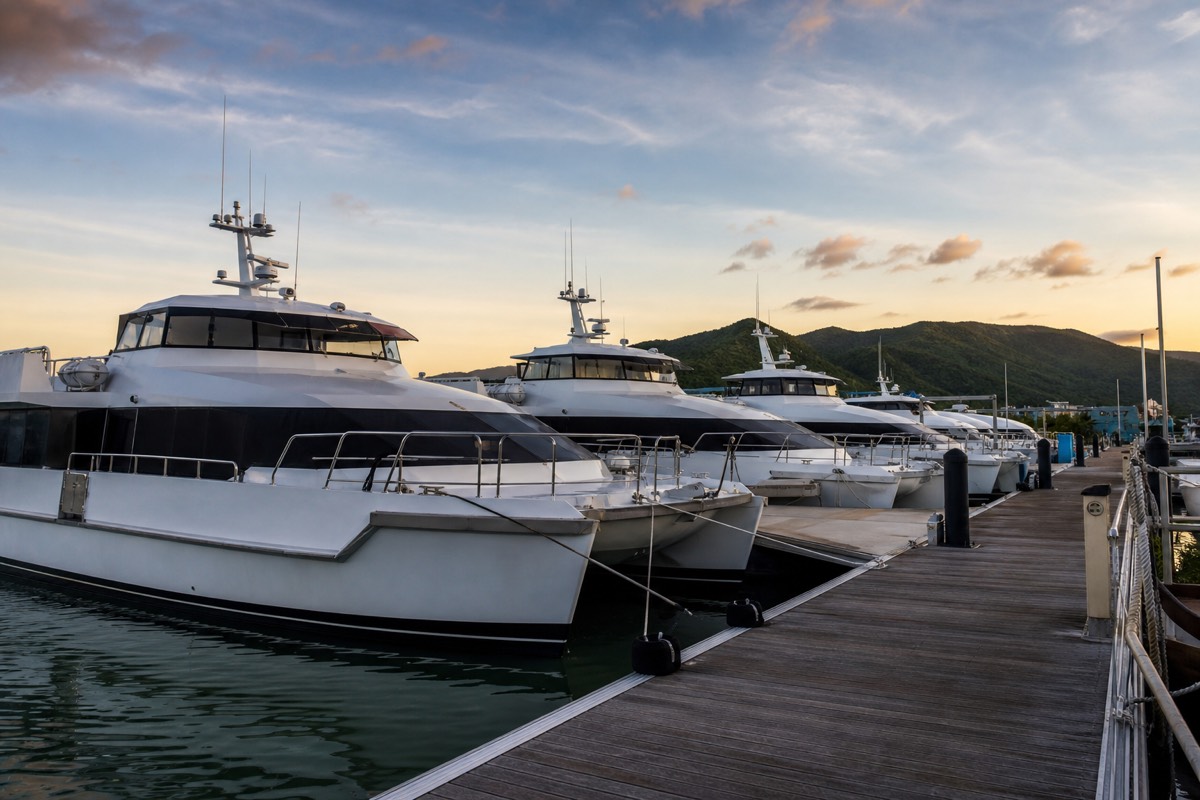
Cairns is the volume hub, and volume brings variety. Five of the nine tours tracked on this site depart from the Cairns marina, and they span the site's cheapest option at $89 all the way up to its most expensive at $521. That range matters more than it first sounds. A family weighing a gentle shore-snorkel introduction against a full overnight liveaboard does not have to change towns to compare the two, because both options load out of the same marina, often on the same morning, from jetties a few minutes' walk apart.
Here is the full Cairns lineup as the listings show them:
| Tour | Price | Rating | Duration | Bookings |
|---|---|---|---|---|
| Great Barrier Reef Full-Day Adventure Tour | $196 | 4.6 | 8h | 13,498 |
| Frankland Islands All-Inclusive Day Trip | $186 | 4.7 | 8 to 9h | 4,406 |
| Green Island Snorkelling & Glass Bottom Boat Experience | $89 | 4.3 | 9h | 1,696 |
| Outer Great Barrier Reef & Coral Cay Snorkel/Dive Tour | $202 | 4.8 | 8 to 12h | 15,633 |
| 2-Day Great Barrier Reef Snorkeling Experience Twin Share | $521 | 4.2 | 48h, 2 days and 1 night | 520 |
The most-booked tour on the entire site departs from here. The Outer Great Barrier Reef & Coral Cay Snorkel/Dive Tour shows 15,633 bookings and a 4.8 rating on its listing, running a 20m catamaran out to Wonder Wall and Upolu Coral Cay. That single tour accounts for more bookings than most bases manage across their whole lineup, and it is the default answer when someone asks for the safe, well-reviewed, mid-priced reef day out of Cairns. A booking count that large is its own kind of information: the operation is proven at scale, the schedule runs reliably enough to accumulate that volume, and thousands of travellers have voted with their money. The counterweight is that popularity and intimacy rarely travel together, and a 20m catamaran carrying that kind of demand is a shared experience by design.
At the other end of the scale, Green Island is the cheapest tour tracked anywhere on this site at $89, with shore-entry snorkelling that works for non-swimmers and first-timers, plus a glass bottom boat for anyone who would rather stay dry. It is not an outer-reef trip and it does not pretend to be. What it does is put nervous beginners and tight budgets on the water for a full day without the cost or the commitment of an offshore boat run, and its 4.3 rating reflects a solid, unglamorous product rather than a compromised one. Green Island is a continental island close to the mainland, which is exactly why the crossing is short and the water off the beach is manageable. The trade-off is that the coral and fish life off a near-shore island will not match the outer reef, and anyone expecting otherwise has chosen the wrong product. Chosen for what it is, a low-pressure first taste of the marine park, it does its job.
One Cairns option deserves more attention than its mid-table numbers suggest. The Frankland Islands All-Inclusive Day Trip at $186 and a 4.7 rating across 4,406 bookings is the commercial day-trip operator visiting Normanby Island, which makes it a genuinely different product from a straight offshore-reef boat rather than a lesser one. It routes through a calm river crossing before a shorter ocean stretch, which its own listing positions as friendlier for anyone prone to motion sickness, and it includes kayaks and stand-up paddleboards alongside the beach-entry snorkelling. If your mental image of a reef trip involves standing on sand as well as floating over coral, this is the Cairns tour that matches it. The exclusivity of the island landing permit is worth pausing on too: no other operator in this lineup can put you on that beach, so the trip cannot be replicated by shopping around for a cheaper equivalent. Ahead of Green Island on rating, behind the big catamaran on volume, it is the quiet middle option that a surprising number of seasoned travellers end up preferring.
Then there is the 2-Day Great Barrier Reef Snorkeling Experience Twin Share at $521, the most expensive product on the site and the only overnight one, a liveaboard covered in full in our guide to liveaboards and multi-day reef trips. Its 4.2 rating is the lowest among the Cairns five, which is worth knowing, though ratings on overnight products tend to run a little softer than day trips across the board simply because expectations are higher and variables greater. Two days on the reef instead of a single morning is a categorically different experience: you swim at first light and at slack tide, you see the reef at hours day boats never reach, and you sleep on the water. It is also a bigger commitment of money, time and stomach, and anyone who has not spent a full day at sea before should probably do that first.
What Cairns is genuinely good at, then, is choice. Budget shore snorkelling, island landing trips, high-volume outer-reef catamarans, and a liveaboard all depart from the one marina, and the city around it supplies the airport, the accommodation at every price point, the night markets, and enough non-reef activity to fill rest days. Travellers who book a reef day from Cairns and find the weather turns sour have alternatives: a rainforest day, a market evening, a second attempt on the water tomorrow. The downside is the flip side of all that: the biggest boats, the biggest crowds, and a ratings ceiling at 4.8 rather than the perfect score its northern neighbour manages.
Port Douglas: What It Is Good At
Port Douglas runs three of the nine tours, and the pattern across them is unmistakable: fewer options, higher floor, higher ceiling. Every Port Douglas tour sits at or above $223, none rates below 4.6, and one holds a perfect 5.0.
| Tour | Price | Rating | Duration | Bookings |
|---|---|---|---|---|
| ABC Reef Safaris: Great Barrier Reef Adventure | $456 | 5.0 | 7h | 15,089 |
| From Port Douglas: Outer GBR Snorkeling & Diving Experience | $223 | 4.9 | 7.5h | 565 |
| From Port Douglas: Quicksilver GBR Snorkeling Adventure | $241 | 4.6 | 8h | 8,265 |
The headline act is ABC Reef Safaris, the highest-rated tour on this site at a full 5.0 stars, with 15,089 bookings on its listing to prove the score is not a small-sample fluke. It caps groups at 24 guests with a six-guests-per-guide ratio and runs marine-biologist-led snorkelling out to Rudder Reef, which explains both the perfect rating and the $456 price tag, the second-highest on the entire site behind the Cairns liveaboard. For a reader whose actual question is "is the Great Barrier Reef better from Cairns or Port Douglas", this tour is a large part of the Port Douglas case: it is the kind of small-group, expert-led product that has no direct equivalent in the Cairns lineup at any price. A 6:1 ratio means a guide for every four guests in the water. On a big-boat day with dozens of snorkellers, the equivalent ratio looks nothing like that, and no amount of money spent on an upgrade closes the gap, because the product does not exist.
The Quicksilver GBR Snorkeling Adventure at $241 and 8,265 bookings runs through the largest, most established operator on this stretch of coast, out to a permanent pontoon at Agincourt Reef. The pontoon model is a different beast from a drift-snorkel boat day: you moor at a fixed structure with a semi-submersible running beneath the surface and the "Ocean Walker" helmet dive available as an extra, which makes it unusually friendly for mixed groups where some people want to swim and others would rather observe from behind glass. Its 4.6 rating across that large booking count tells you it is dependable rather than exceptional, which is exactly what a pontoon product aims to be. The permanent platform also changes the snorkelling itself: you enter the water from a stable structure rather than off a rocking transom, you can exit and rest and re-enter at will, and the sites around a pontoon are selected partly because they hold up under daily visitation from a wide range of swimmers.
The third option, From Port Douglas: Outer GBR Snorkeling & Diving Experience, runs through the Calypso operator to three separate reef sites around Agincourt and Opal Reef, with guided reef talks built into the day. Its 4.9 rating across 565 bookings puts it just behind ABC Reef Safaris as the second-highest score among all nine tours. Three sites in one 7.5-hour day is a genuine selling point for snorkellers who get restless at a single mooring, and the guided reef talks give the day an educational layer that a pure swim-and-drift itinerary lacks. The lower booking count relative to its two Port Douglas neighbours reflects a smaller operation rather than a weaker one, but it does mean less scheduling flexibility and fewer departure dates to choose between when you are locked into specific travel days.
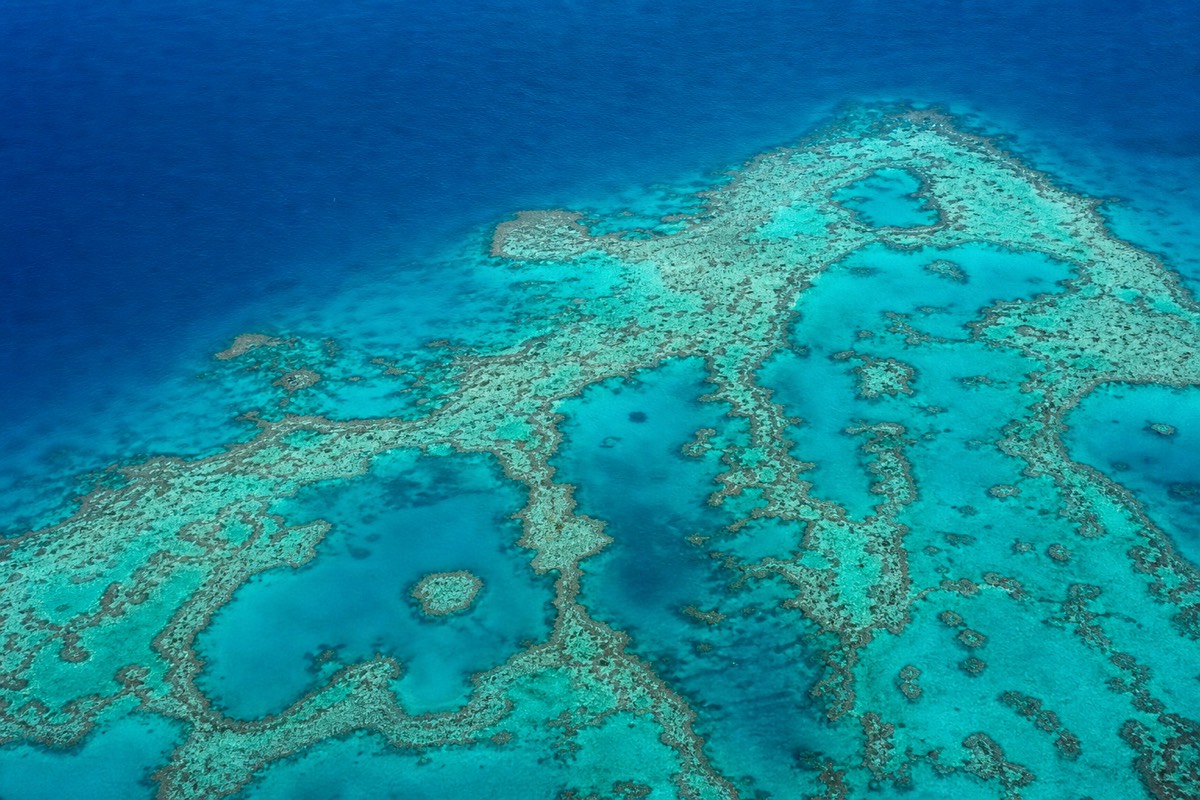
Notice what all three have in common beyond the ratings: outer ribbon reefs. Agincourt, Opal and Rudder sit on the outer edge of the continental shelf, the kind of water clarity and coral health that the region's marketing leans on, and Port Douglas is the base that gets you there on a shorter run than most Cairns boats can manage. Two of the three tours are explicitly built around these systems. The geography is not a marketing invention. Port Douglas sits roughly a third of the way up the coast toward the Daintree, mariners have used its natural harbour for generations, and the outer ribbon reefs stretch along the shelf edge in reach of its boats. When people describe Port Douglas as "closer to the pristine outer reefs", this is the concrete version of that claim.
The honest downsides are price and variety. There is no $89 entry-level option here, no island landing trip, no liveaboard. If your reef budget sits under $200, Port Douglas simply does not have a product for you on this site's list, and the town's accommodation runs upscale to match. You also give up Cairns' city amenities: Port Douglas is a resort town built around Four Mile Beach and one main marina, quieter by design, with a one-hour drive back to the airport when you leave. People who love it love exactly that. People who want nightlife, cheap eats, or a wide selection of tour operators tend to find it thin. A third downside is subtler: with only three products in this lineup, a bad weather day or a sold-out date leaves you with very little to pivot to, whereas Cairns' five-tour spread gives you fallback options across a whole price spectrum.
One more base belongs in this northern conversation even though it is neither of the headline towns. Cape Tribulation, up in the Daintree, runs a single tour on this site, and it fills a niche neither Cairns nor Port Douglas covers, so it is worth a short detour before we get to the Whitsundays.
The Cape Tribulation Option
Ocean Safari's Great Barrier Reef Experience from Cape Tribulation is the shortest tour on the whole list at 4½ hours, with hotel pickup built in for travellers already staying in the Daintree. At $155, a 4.9 rating, and 9,228 bookings, it is clearly not a niche afterthought. The listing highlights sea turtles, eagle rays and giant clams alongside views over the Daintree and Cape Tribulation coastline, and because pickup is built directly into the price rather than sold as an add-on, the whole thing wraps in under half a day. That matters more here than at the big marinas, since there is no central departure point the way Cairns Marlin Marina or Crystalbrook Marina serve their towns. For travellers basing themselves in the rainforest, this is the reef trip that does not cost them an entire day of driving to Cairns and back. Because the Daintree area borders estuarine crocodile habitat, it is a different safety conversation than a straightforward offshore trip, and the marine park authority's own guidance, along with our guide to reef animals and stingers, is worth reading before you book.
The Whitsundays: A Different Reef Entirely
Here is the point that most generic comparison articles blur: the Whitsundays is not a third departure option competing with Cairns and Port Douglas on the same terms. It is a separate region hundreds of kilometres south, inside the same UNESCO World Heritage-listed Great Barrier Reef area but with its own geography, its own airports, and a fundamentally different trip shape.
Where Cairns and Port Douglas both operate as commuter bases, towns you sleep in and sail out from for a focused day of reef before returning, the Whitsundays is built around living among the reef. The region centres on a cluster of roughly 74 continental islands off Airlie Beach, with fringing reef systems around the islands themselves and outer reef access points separate from the ones Tropical North Queensland boats visit. You fly in through Proserpine or Hamilton Island, not Cairns. You book through Airlie Beach operators, not the marinas up north. None of the nine tours on this site depart from there, and the site would rather say that plainly than pretend otherwise. That is not a judgement on the region, it is a statement about what a reader comparing these three names actually needs to know first: they are not interchangeable answers to the same question.
The trip style is the real difference. Whitsundays itineraries tend to centre on island-hopping and sailing between anchorages, with beach time at places like Whitehaven Beach as a headline attraction and reef snorkelling as one component of a broader itinerary rather than the sole focus. A typical multi-day sailing trip mixes swimming stops, island walks and sunsets over anchorages with a few snorkel sessions on fringing reef. Compare that with a Cairns or Port Douglas day boat, which goes straight out to a single outer reef system, spends hours there, and comes back. Neither is a lesser version of the other. They are different products that happen to share a marine park.
That distinction maps directly onto what people actually ask. If your question is whether the reef is better from Cairns or Port Douglas, the Whitsundays is not really a competing answer, because its strongest selling points, Whitehaven Beach and the sailing experience, are not reef selling points at all. If your priority is the outer ribbon reefs and coral cays, the kind of coral architecture that the northern boats reach, then a Whitsundays sailing trip is a detour, not a shortcut. Conversely, if a multi-day itinerary under sail matters to you as much as the coral does, no Cairns or Port Douglas product on this site offers anything comparable. The northern towns do day trips and one overnight product; the Whitsundays does journeys.
It also helps to understand what fringing reef means in practice, because it is the honest caveat at the centre of any Whitsundays reef claim. Fringing reef grows directly around the islands' shorelines, which means it is shallow, sheltered and immediately accessible from your anchorage. It is wonderful for easy swimming and for seeing coral without a long transit, but it is not the same ecosystem as the outer ribbon reefs. Water exchange around islands is different, visitation patterns are different, and the coral communities reflect that. Travellers who book a sailing trip expecting the kind of reef day they had off Port Douglas, or vice versa, are the ones who write the disappointed reviews. Book the region for what it is.
The two regions are not mutually exclusive on a longer Australian itinerary, and that is worth stating clearly. Some travellers fly into Cairns, spend a few days on an outer-reef day trip or the two-day liveaboard, then continue south to Airlie Beach for a separate multi-day sailing trip through the Whitsunday Islands. Treated as a pairing, that combination covers both the dedicated reef access the northern towns specialise in and the beach-and-sailing experience the Whitsundays is known for, with neither half being a compromise. If a Whitsundays trip is what you want, book with an Airlie Beach operator directly. If your interest is what reef trip to pick from the northern bases, our guide to how many days you actually need on the reef pairs well with the comparison below.
Which Is Better For Snorkeling?
Snorkelling is where the Cairns versus Port Douglas question gets its sharpest answer, because the two bases put you in front of genuinely different water, at genuinely different group sizes, for genuinely different prices. Ranking them requires separating three things people tend to mash together: the coral you float over, the number of people you float with, and what you pay for the privilege.
Start with the coral. Port Douglas boats run out to the outer ribbon reefs, Agincourt, Opal and Rudder, which sit at the outer edge of the continental shelf where water exchange is strongest. Two of the three Port Douglas tours are explicitly built around these systems. Cairns boats spread wider: the Outer Great Barrier Reef & Coral Cay tour reaches Wonder Wall and Upolu Coral Cay at 8 to 12 hours, the Frankland Islands trip lands on Normanby Island's beach-entry snorkelling, and Green Island offers shallow shore snorkelling off a continental island. In pure water-quality terms, the outer ribbon reefs have the regional reputation, and Port Douglas reaches them on a shorter run. But note that Cairns is not locked out of outer-reef water: its flagship catamaran tour also runs to outer sites, just with a longer day attached. The coral gap between the towns is real but narrower than the marketing suggests; the group-size gap is not.
Now the group size, which is where the real texture lives. ABC Reef Safaris caps its boat at 24 guests with a six-guests-per-guide ratio and marine biologists leading the snorkelling, which is why it holds a perfect 5.0 rating. Nothing in the Cairns lineup matches that ratio at any price. The biggest Cairns products, like the 20m catamaran carrying 15,633 lifetime bookings, are high-volume boats by design: more people, more facilities, more of everything except individual attention. Quicksilver's pontoon model splits the difference, mooring at a fixed structure where snorkellers spread out around the platform rather than clustering off a transom. For a snorkeller who wants a guide to notice when their mask floods, point out a turtle they would have swum straight past, and explain what they are looking at, the small-group product is the one that delivers it. For a snorkeller happy to float independently over well-visited sites, the big boats work fine and cost far less.
Then price. A snorkeller on a budget has exactly one base available, and it is Cairns, where the $89 Green Island trip includes shore-entry snorkelling that works for non-swimmers. Port Douglas starts at $223 and climbs to $456. That gap is not a mark against Port Douglas, its products are simply built for a different buyer, but a solo traveller or family of four feels it immediately. On a four-person booking, the difference between the cheapest Cairns day and the cheapest Port Douglas day is more than $500, which buys a lot of snorkelling elsewhere in the itinerary. The honest way to read the Port Douglas prices is that you are paying for guide ratio and exclusivity, not for a fundamentally superior marine park. The coral is the same World Heritage water either way; the experience of swimming over it is what changes.
So the honest verdict reads like this. For the best snorkelling experience money can buy on this stretch of coast, Port Douglas wins, and specifically ABC Reef Safaris wins, on the strength of its ratio, its guides, and its 5.0 listing. For the best value snorkelling, and for nervous or non-swimming beginners, Cairns wins, because Green Island at $89 and Frankland Islands at $186 do jobs no Port Douglas product attempts. For a middle path that most people are happy with, the Cairns-departing Outer Great Barrier Reef & Coral Cay tour at $202 with a 4.8 rating and 15,633 bookings is the single most-booked product on the site for a reason. That tour is the default answer for good and bad reasons: good, because it reliably delivers outer-reef sites at a mid price; bad, because defaults attract people who never compare, and a reader who has read this far is not that person.
One caveat worth carrying into any booking: conditions vary day to day more than base to base. Wind, swell and season affect a given day's visibility far more than the difference between two departure towns does, so the operator and site selection matter more than the marina. A calm day on a mid Cairns site will outperform a windy day at a famous outer reef every time, and no booking can promise the weather. That question of when to travel is covered in how to choose a reef tour, and the trade-offs between swimming down and diving down are covered separately in our snorkelling versus scuba comparison for anyone weighing tanks against fins.
How Far Is Each Town From The Reef?
Distances here are about boat hours, and boat hours are about sea conditions, so treat every figure below as typical rather than guaranteed. The general pattern is simple: Port Douglas sits closer to the outer ribbon reefs than Cairns does, which translates into either shorter travel legs or more water time per day, depending on how the operator uses the advantage.
The Port Douglas tours run 7 to 8 hours door to dock to door, with the ABC Reef Safaris day at 7 hours and the Calypso-run trip at 7.5 hours across three sites around Agincourt and Opal Reef. Because those outer ribbon reefs lie a solid offshore run from the coast, boats travel hard out and back, and the compact day length tells you the transit is efficient rather than that the reef is near. Quicksilver's 8-hour day includes the pontoon transfer at Agincourt. What the shorter Port Douglas days buy you is practical: less total time committed, earlier evening back in town, and transit that does not stretch the day the way the longest Cairns options can. The ABC day wrapping at 7 hours is notable when the shortest full Cairns outer-reef equivalent runs 8.
Cairns tours run longer on the water, and the spread is wider. The Outer Great Barrier Reef & Coral Cay tour lists 8 to 12 hours depending on the option chosen, the Great Barrier Reef Full-Day Adventure runs 8 hours, and Frankland Islands runs 8 to 9 hours, though its listing notes the route passes through a calm river crossing before a shorter ocean stretch, a genuine comfort factor for anyone prone to seasickness. Green Island is the exception that proves the geography: as a continental island close to the mainland it needs only a short crossing, which is exactly why a 9-hour day there can be gentle enough for non-swimmers. The listed durations tell you something each operator's marketing will not spell out directly: the further the good sites are from your marina, the more of your booked day is spent getting to them.
Cape Tribulation sits outside this comparison in an interesting way. Its Ocean Safari runs just 4½ hours total, pickup included, which is the shortest product on this site by a wide margin. The trade-off is that it serves a small local area rather than the outer ribbon reefs: travellers staying in the Daintree get a half-day of turtle and clam viewing without the two-hour round trip to Cairns, while travellers based in Cairns or Port Douglas would gain nothing by driving up for it.
The pattern to take away: an outer reef trip from either base costs you a full day, most of it on the water. Port Douglas buys you marginally less transit to the best outer sites. Cairns offers the Green Island shortcut for anyone who wants calm water without a long ocean run. And Cape Tribulation's Ocean Safari compresses everything into 4½ hours precisely because it serves a small local area with pickup included. If a full day at sea sounds like a price rather than a pleasure, that is a real consideration, and it is one reason the Frankland river-protected route and the Green Island option earn their places in the Cairns lineup. Travellers who get seasick should read the duration column before the price column, because eight hours of swell is eight hours regardless of how good the coral is at the end of it.
Which Is Better For Families?
Families should decide this one on three factors: the age and swimming ability of the kids, the budget, and how much of the day the children can actually handle on a boat. Run those three filters across both towns and a fairly clear picture emerges.
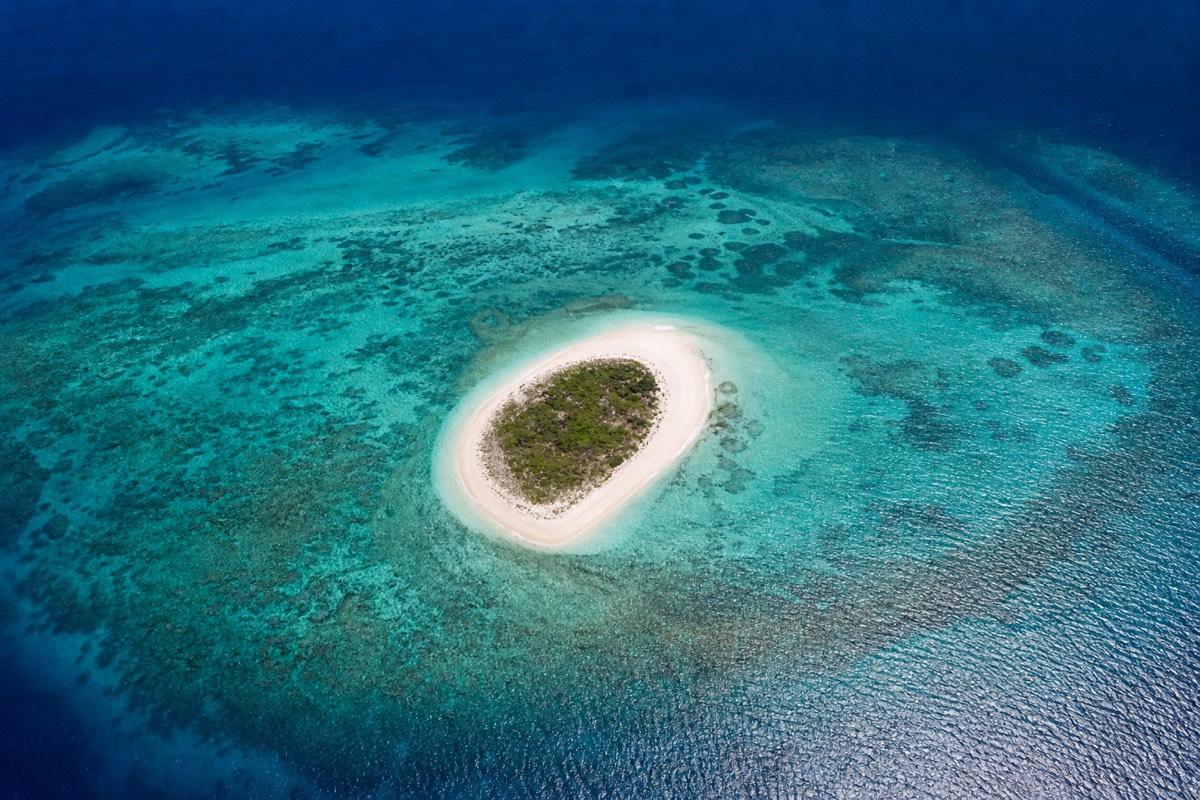
For younger children, nervous swimmers, or first-timers, Cairns is the safer and cheaper base. The Green Island Snorkelling & Glass Bottom Boat Experience at $89 exists almost precisely for this case: shore-entry snorkelling where a tentative eight-year-old can stand up when they get tired, a glass bottom boat for the parent who would rather point at things than swim with them, and a 9-hour day whose length sounds intimidating but is actually built around gentle pacing. The Frankland Islands trip adds kayaks and stand-up paddleboards to the beach-entry snorkelling, which gives non-snorkelling children something active to do, and its calm river crossing makes it the motion-sickness-proof family option. The island landing on Normanby Island means sand, shade and shallow water, the three things that make a family reef day survivable. There is also a scheduling advantage worth naming: a child who has a meltdown at hour two of a boat-only day has nowhere to go, while a child on a beach has options. Island-based family days are simply easier to rescue.
Quicksilver's pontoon product, though it departs from Port Douglas, is arguably the strongest mixed-ability family product on either base, and it is worth the drive north for the right group. A permanent pontoon at Agincourt Reef with a semi-submersible and the "Ocean Walker" helmet dive means grandparents and toddlers, strong swimmers and adamant non-swimmers, can all share one booking. Everyone experiences the reef at their own comfort level without anyone being left on the boat. At $241 and a 4.6 rating across 8,265 bookings, it is the dependable choice rather than the spectacular one, which is often exactly what a family trip needs. The helmet walk deserves a specific mention for parents: it puts non-swimmers on the reef floor, breathing normally, in a way no conventional snorkel product can. For a family where one member's confidence in open water is the bottleneck, it can be the feature that makes the whole day work.
Where families should spend carefully is the top end. ABC Reef Safaris is the best tour on this site, but at $456 per person it is built for committed adult snorkellers, and the marine-biologist-led small-group format is somewhat wasted on kids who mainly want to see a turtle and eat the included lunch. Budget the other way and the same logic applies: a family of four on Green Island pays $356 total for the day, versus $1,824 on ABC Reef Safaris. That is a different holiday entirely, and no amount of superior guiding changes the arithmetic a family has to do. The middle ground, the Full-Day Adventure Tour at $196 or the Frankland trip at $186, keeps a family of four near $800 while giving children real reef and real beach time.
One practical note that applies to both towns: stinger season changes what children wear in the water and when. It is not a reason to skip the trip, operators manage it with suits and site selection, but it is a reason to check dates, and the specifics live in our tour choosing guide alongside the cost question, which is covered honestly in what a reef trip really costs.
When Not To Go To Port Douglas
Port Douglas is the wrong base on a tight budget, since its cheapest tour here runs $223 and its accommodation skews upscale. It also loses its appeal if you want nightlife, a wide choice of operators, or the cheapest possible entry point into the water, all of which Cairns supplies. Seasonal timing matters too, and the stinger-season and month-by-month detail lives in our guide to choosing a reef tour.
The Honest Answer For Three Traveller Types
The budget and variety traveller: Cairns, without much hesitation. Five tours from $89 to $521, the most-booked product on the site, an airport with direct flights from the bigger southern capitals, and a city's worth of food and entertainment around the marina. You accept bigger boats and a ratings ceiling of 4.8, and in exchange you get a product at every price point. Book the Outer Great Barrier Reef & Coral Cay tour at $202 if you want the crowd-validated default, or Green Island at $89 if the budget is genuinely tight. The Frankland Islands trip at $186 is the sleeper pick for anyone seasickness-prone or beach-minded. Cairns also wins the backup-planning test: with five products spread across prices and styles, a cancelled sailing or a sold-out date is a scheduling annoyance rather than a reef-day ruiner.
The comfort and quality traveller: Port Douglas, and specifically ABC Reef Safaris if the budget stretches. A 5.0 rating across 15,089 bookings is not marketing, it is the strongest evidence on this entire site that a product delivers what it promises. The 24-guest cap, six-guests-per-guide ratio and marine-biologist-led snorkelling at Rudder Reef define the premium end of the region. If $456 per person is too far, the Calypso-run three-site trip at $223 with a 4.9 rating is the best value in the town, and the Quicksilver pontoon at $241 is the pick for mixed-ability groups. You accept a quieter town with fewer operators, an hour's drive from the airport, and no entry-level options. For a lot of travellers that trade reads as a holiday upgrade, not a compromise, and the ratings suggest most who pay it do not regret it.
The island-and-sailing traveller: the Whitsundays, booked directly through an Airlie Beach operator. Whitehaven Beach, multi-day sailing itineraries between anchorages, and fringing reef off roughly 74 islands are things neither northern town offers in any form. None of the nine tours on this site cover that ground, and pretending otherwise would not help you plan. The strongest itinerary of all, if time allows, is both regions: a northern outer-reef trip for the coral, then the sail south for the islands.
Whichever base you choose, the tour matters more than the town. A 4.6-rated big boat out of Cairns and a 4.9-rated small boat out of Port Douglas are different experiences in ways the marina never explains, and the full cost breakdown and our reef-health context in this guide to the reef's current condition both belong in your reading before you commit.