What'S Illegal To Do (Or Touch) On The Great Barrier Reef?
Snorkel a reef this size and "don't touch the coral" feels obvious. The Great Barrier Reef Marine Park Act goes further than that one rule, and every operator on this site builds its trips around staying inside it.
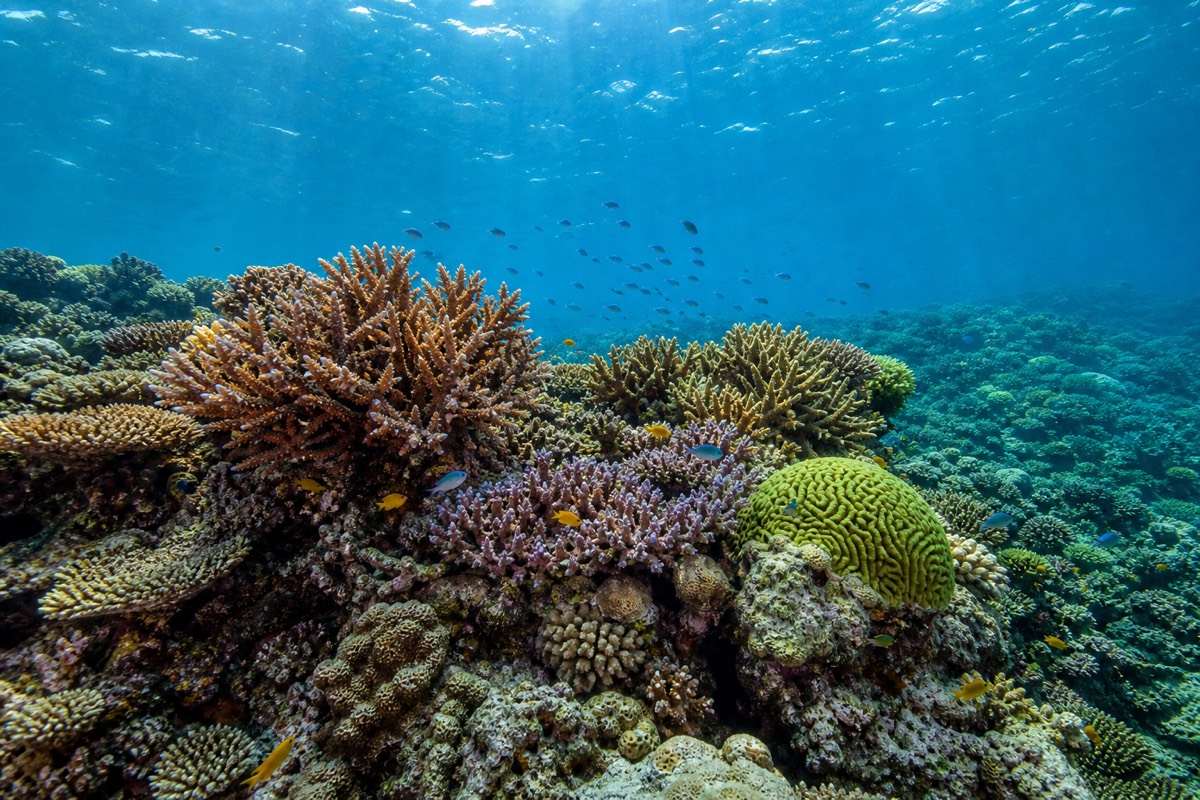
On the Great Barrier Reef it is illegal to damage or remove coral, alive or dead, to collect protected shells such as the giant triton or helmet shell, to take giant clams, to fish or take any marine life in no-take green zones, and to anchor on coral or outside designated anchoring areas. The rules come from the Great Barrier Reef Marine Park Act and its zoning plans, and the Great Barrier Reef Marine Park Authority, known as GBRMPA, enforces them across the entire Marine Park.
Price tables and review counts in the original comparison are historical examples, not live quotes or safety evidence. Use the booking options below for current totals, inclusions and restrictions.
What Is Illegal To Do On The Great Barrier Reef?
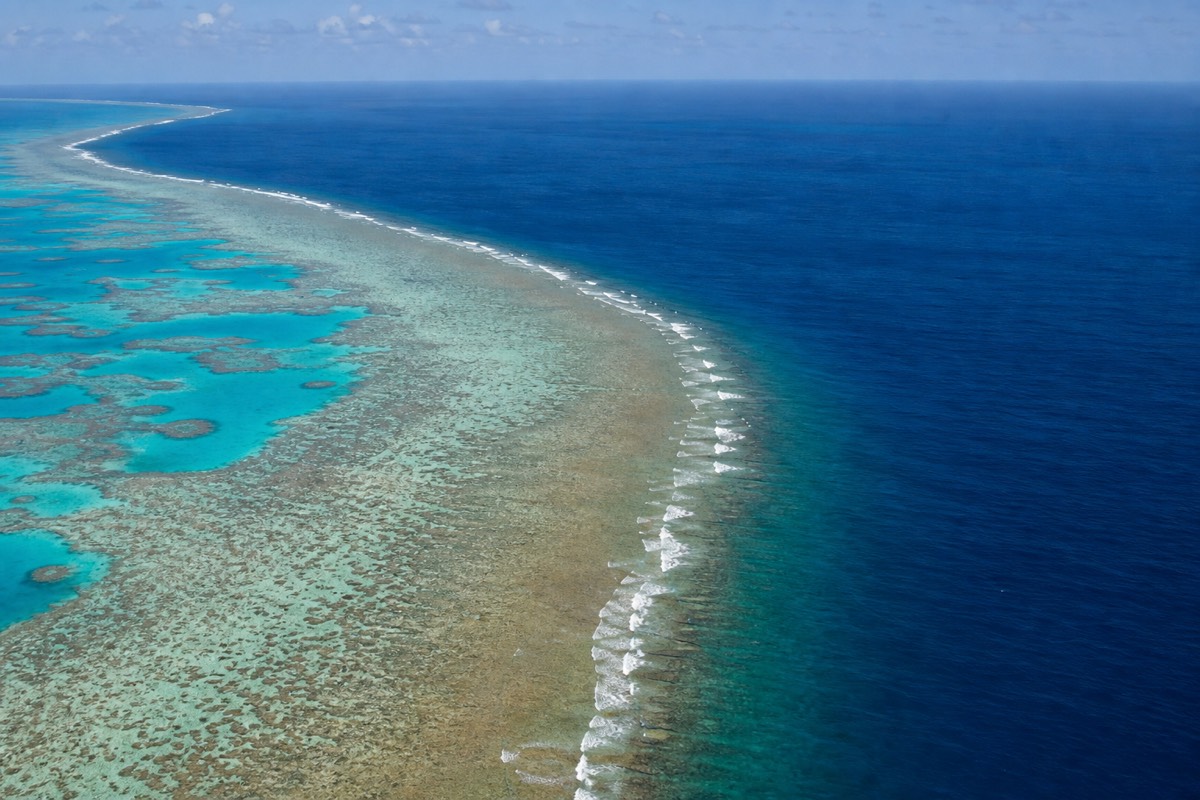
The Great Barrier Reef is not a loosely protected stretch of coast. It is a Marine Park covering some 2,300 kilometres of reef, covered by a federal Act of Parliament and one of the most detailed zoning systems of any marine protected area on earth. The Great Barrier Reef Marine Park Act and its zoning plans set out what is allowed, restricted, and flatly prohibited, and the Great Barrier Reef Marine Park Authority, universally called GBRMPA, enforces those rules. The short version of what is illegal: damaging coral by touching or standing on it, breaking pieces off whether alive or dead, collecting protected shells such as the giant triton or helmet shell, taking giant clams, removing any coral at all, fishing or taking marine life inside no-take green zones, and anchoring on coral or outside designated anchoring areas. Feeding fish and certain drone use sit in a middle category, restricted by zoning and permits rather than banned outright everywhere.
None of this exists to make a day trip complicated. Most of the list amounts to common sense once you are standing on a boat deck being briefed by a crew that does this every single day. The rules exist because the reef is under genuine pressure, and the zoning system is the main tool the Australian government uses to manage that pressure. The reef sites used for guided snorkelling and diving day tours, names like Norman Reef, Saxon Reef, Hastings Reef and Agincourt Reef, generally sit inside protected zones where taking anything from the water is off-limits regardless of what gear you brought. That is not an accident. Operators cluster at those sites partly because the moorings and access are already permitted and partly because the protection is what keeps the coral worth visiting.
One point worth making early, because it catches people off guard: the rules apply to things picked up off the sand as much as anything pried loose deliberately. A dead piece of coral lying on the seafloor is still protected coral. A shell collected from a beach inside the Marine Park can still be a protected shell. Intent does not matter much here, and neither does whether the item was already detached when you found it. The Marine Park Act protects the reef as a system, not just the living organisms at any given moment.
Another point: you do not need to memorise any of this before a trip. A guided tour puts a trained crew between you and every one of these rules by default. They pick the mooring, brief the group on buoyancy and body positioning before anyone is in the water, and point out what not to touch rather than leaving it to guesswork. ABC Reef Safaris' Great Barrier Reef Adventure runs with a marine biologist in the water and a six-guests-per-guide ratio for exactly that kind of close supervision. The Frankland Islands day trip holds the only permit allowing operators to land guests on Normanby Island, a permit that exists precisely because access there is so tightly controlled. Independent visitors, by contrast, carry the full responsibility for knowing the zoning themselves, which is where most accidental breaches happen.
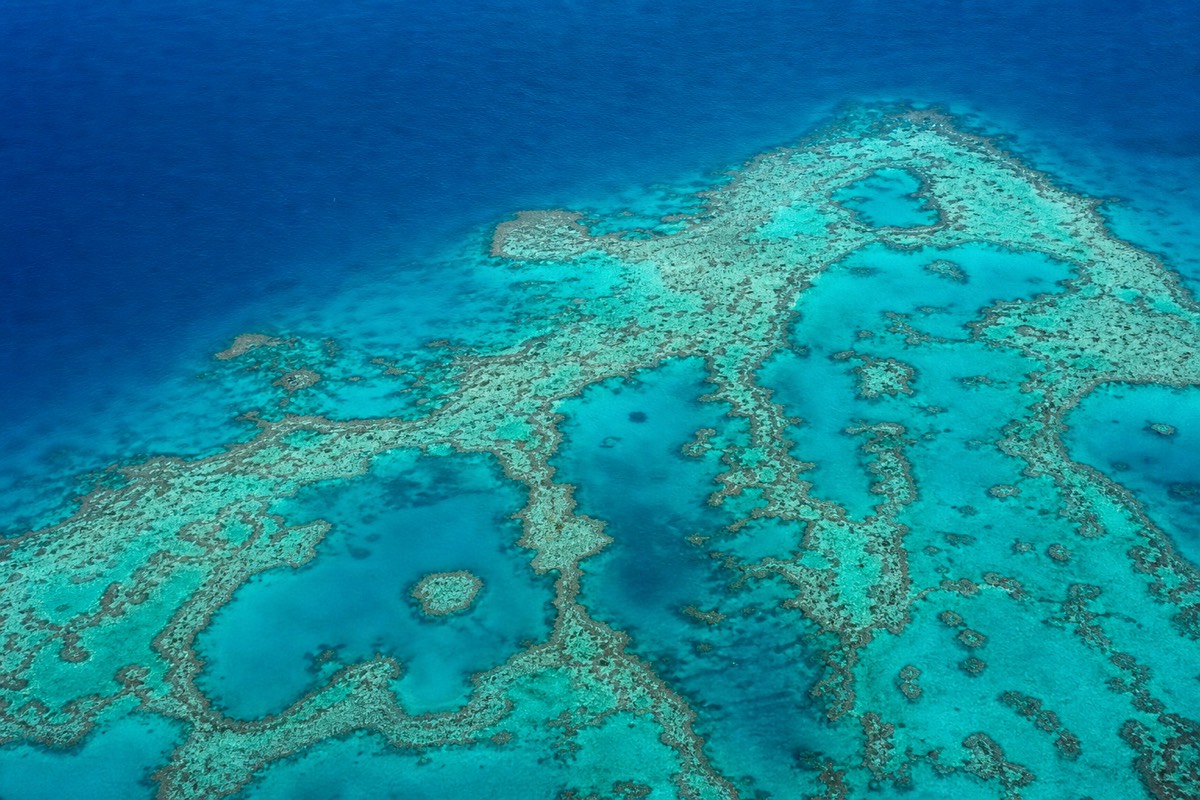
The scale of the place explains why the rules are written as zones rather than one flat list. A Marine Park that stretches roughly the length of the Queensland coast cannot be managed as a single unit, because a rule that makes sense for a remote northern shoal may make no sense for a busy tourism site off Cairns or a fishing ground near the Whitsundays. The zoning plan is how the same Act produces different answers in different places, and it is why two honest answers to "can I fish here?" can both be correct. When people ask how big the Great Barrier Reef is, the answer, 2,300 kilometres of reef along the Queensland coast, is really the answer to why the rules look the way they do.
The rest of this page walks through each rule in plain language: what exactly is prohibited, what is merely restricted, whether swimming itself is legal, what the sunscreen situation is, and what penalties actually apply if you get it wrong. Where a rule is genuinely zone-dependent, that is stated, because a claim like "fishing is illegal on the reef" is only half true and this page is not in the business of half truths.
Prohibited Activities In The Marine Park
The Marine Park draws a hard line between three categories of behaviour: prohibited, restricted, and permitted. Prohibited means illegal everywhere in the Marine Park. Restricted means it depends on the zone and, sometimes, on holding a permit. Permitted means fine, within the usual bounds of not causing damage. Most of what follows falls into the first two columns.
First, the prohibited list. Touching or standing on coral in a way that causes damage is prohibited, full stop, and the rule applies broadly across the Marine Park, not just inside no-take zones. Breaking pieces off coral is prohibited whether the coral is alive or already dead. Removing any coral at all, dead or alive, from the water is against the law. Collecting protected shells, including the giant triton and the helmet shell, is prohibited. Taking giant clams is prohibited. Fishing or taking marine life inside no-take green zones is prohibited.
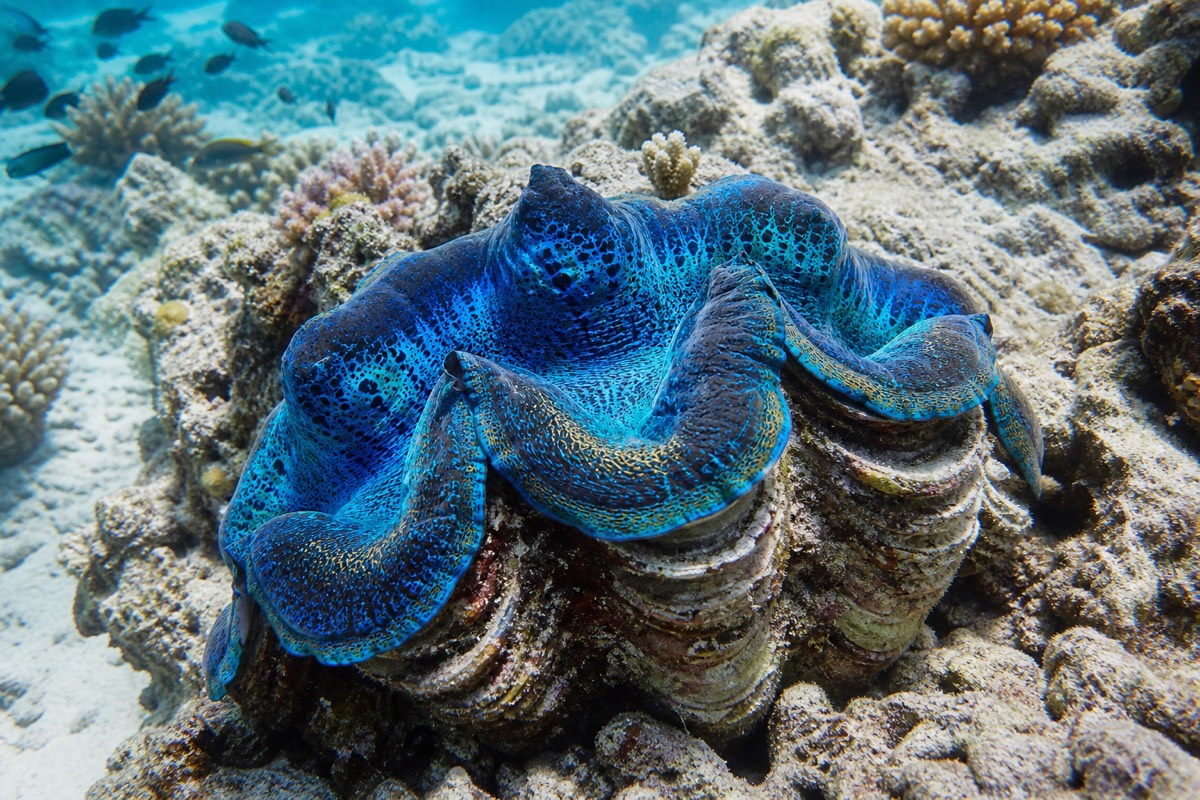
The giant clam rule deserves a specific mention because so many tours deliberately point giant clams out to guests. The Frankland Islands trip is one of them. Those animals are among the species this rule protects, and the fact that a crew is showing you one does not change the legal position: look, do not touch, and certainly do not try to take anything home. A guide pointing at a clam is not the same as a guide offering it. The showing is the educational point, and the protecting is the legal one, and a good crew makes that distinction explicit rather than leaving guests to guess where the line sits.
It is worth pausing on what "prohibited everywhere" actually means in practice, because visitors sometimes assume the rules only bite inside the famous green zones. They do not. The green zones, the no-take areas, add an extra layer of protection on top of the baseline, but the baseline already bans coral damage and collecting across the whole Marine Park. A visitor on a reef outside any green zone who snaps a piece of coral has still broken the law. The zoning map answers questions like where you can fish, not whether you can smash the reef while doing it, and confusing the two levels of protection is one of the more common misunderstandings among first-time visitors.
Then the restricted list. Anchoring is the big one. Anchoring directly on coral is restricted, and anchoring outside designated anchoring areas is restricted in many zones. The reason is mechanical: a dragging anchor can do more damage in seconds than years of careful snorkelling. That is why commercial operators use fixed moorings or approved anchoring zones rather than dropping anchor wherever they like, and it is part of why day tours cluster around the same well-known sites rather than picking a random stretch of coral. Feeding fish is restricted rather than banned everywhere, limited by zoning and permit rules that vary by location. Certain drone use falls into the same category, governed by zoning and permits rather than a blanket prohibition. Drone pilots should check the rules for their specific location before flying, because the answer genuinely differs from one part of the Marine Park to another.
The feeding fish restriction tends to surprise people, since feeding fish at a jetty or a beach is unremarkable elsewhere in Australia. On the reef the concern is behavioural: conditioning wild fish to associate boats and people with food changes how species feed, where they gather, and how the whole site functions. Some operators do run fish feeding as part of their program, but where that happens it sits inside their permit conditions rather than in a free-for-all. If a crew member feeds fish on your tour, that is the permit doing the talking, and it is not an invitation for guests to start throwing bread over the side. What is being done to protect the Great Barrier Reef, and why the reef matters enough to Australia to warrant this much law, is the wider story behind every restriction on this page.
It is also worth separating what is illegal from what is simply charged. The Environmental Management Charge, commonly called the reef tax, is not a fine and not a penalty. It is a standard charge administered by GBRMPA, set at $8.50 per person for a full day on the reef and roughly $4.25 for a part-day. It funds reef management and monitoring, and tour operators typically collect it as part of, or alongside, the tour price rather than making you pay separately on the day. Some visitors assume any fee attached to their booking is some kind of compliance charge. It is not. It is closer to a park entry fee, and it applies whether or not you ever put a toe in the water.
For anyone who wants the full regulatory text, GBRMPA publishes its responsible reef practices page and the zoning plan details on its own site. Those pages are the authoritative source, and they are updated when rules change. What follows here is the practical summary for a visitor deciding what to book and how to behave once on board.
Is It Illegal To Swim In The Great Barrier Reef?
No. Swimming, snorkelling and diving are legal across the vast majority of the Marine Park, and they are the single most common reason people visit in the first place. The Marine Park Act does not treat entering the water as an offence. What it criminalises is damage: the moment swimming involves touching, standing on, kicking or breaking coral, the same behaviour becomes a prohibited activity. In other words, the act of swimming is fine. The consequences of careless swimming are not.
This distinction matters for nervous first-time visitors, and it is worth being direct about it. Roughly two million people visit the reef region each year, and the overwhelming majority swim without incident, because the rules are easy to follow and the consequences of following them are simple: look, float, keep your fins off the bottom, and take nothing. A proper briefing always covers buoyancy and body positioning before anyone gets in the water, precisely because an accidental brush against unseen coral is the most common way a well-meaning swimmer causes damage. A guide standing next to you in the water is the easiest way to avoid that kind of accident, which is one of the quieter arguments for guided tours over fully independent visits.
Where swimming does intersect with rules, it is usually through zoning and permits rather than a swimming ban. Some areas restrict access or activities by zone, and certain commercial activities require permits. But for a recreational swimmer or snorkeller on a licensed day tour, the position is straightforward: swimming is legal, encouraged, and regulated only in the sense that what you do while in the water matters.
Swimming safety is a separate question from legality. Stingers, sharks and crocodiles are managed through seasonal precautions, swimming enclosures on some beaches, and operator protocols, not through bans. That topic has its own page, and anyone weighing up the safety side of a reef trip should read our guide to reef safety, sharks and stingers rather than looking for the answer here.
Touching, Standing On And Taking Coral
Here is the rule in its plainest form. Damaging coral by touching or standing on it, or breaking pieces off, whether the coral is alive or already dead, is prohibited under the Marine Park Act. Note the breadth: the rule applies across the Marine Park, not just inside no-take zones, and it covers dead coral as well as living coral. There is no loophole where a bleached or broken piece of coral counts as fair game because it was no longer alive when you found it.
Why does the law extend to dead coral? Partly because dead coral is still reef structure. It is the substrate on which new coral settles, the habitat for the creatures that keep the reef ecosystem functioning, and in many cases it is only dormant rather than truly gone. Partly, too, because a rule allowing removal of dead material would be nearly impossible to enforce, since every collector would claim their souvenir was already dead. The law closes that door entirely.
Touching deserves a specific word, because many visitors assume a gentle touch is harmless. Coral polyps are fragile animals, not rocks. Physical contact can damage the living tissue, and oils from human skin add stress on top. Standing on coral is worse: it concentrates a person's full weight on structures that took decades or centuries to grow. A single branching coral knocked by a careless knee can lose growth that took years to build. The reason crews brief passengers on buoyancy and body positioning before every water session is not bureaucracy. It is because an accidental kick with a fin, or a swimmer standing up in shallow water without looking down, is the most common way damage happens. Snorkellers using fins for the first time are a particular case, since fins extend a swimmer's profile well beyond what they are used to. A guide in the water, at ratios like the 6:1 guide-to-guest setup on ABC Reef Safaris' Great Barrier Reef Adventure, exists to catch that exact kind of mistake before it lands on the reef.
Now for the taking side. Collecting protected shells such as the giant triton or helmet shell, taking giant clams, or removing any coral at all, dead or alive, is against the law on the reef. This rule catches people off guard more than any other, because it applies to things picked up off the sand as much as anything pried loose deliberately. A shell lifted from a beach or a bit of coral found washed up can still be protected material, and "I found it, I didn't take it off anything living" is not a defence. Travellers who want a souvenir should buy from licensed shops on the mainland, where the provenance is legal, rather than pocketing something from within the Marine Park.
The protected shell species are worth naming again, because the triton carries a story that explains the law's logic. The giant triton is a natural predator of the crown-of-thorns starfish, one of the reef's most damaging pests, and removing tritons removes one of the few natural checks on that pest. A shell that seems like a harmless beachcombing find is, at the population level, part of the reef's own defence system. The helmet shell sits in the same protected category. Neither is protected because it is pretty, in other words, and a traveller who understands that usually stops wanting one.
Practical steps to stay on the right side of this rule, in order of importance:
- Practice your buoyancy in open sand before drifting over coral, and keep your fins well clear of the bottom.
- Look but do not touch, and do not chase, grab or handle any marine life, even if it approaches you.
- Leave everything where it is: coral pieces, shells, clams, starfish, everything.
- Stay close to your guide in the water, especially on your first reef snorkel.
- Never stand up in shallow water over coral, and check below you before putting a foot down anywhere.
One honest caveat: enforcement against individual tourists for an accidental touch is rare in practice. GBRMPA's enforcement effort focuses on commercial operators, illegal fishing and serious offences, and a genuine accident handled honestly is unlikely to end in a fine. That is a description of enforcement priorities, though, not permission. The prohibition applies regardless of whether anyone saw it happen, and the cumulative effect of two million annual visitors each "accidentally" touching coral once would be significant. Follow the rule because it protects the reef, not because a ranger is watching.
Fishing, Anchoring And No-Go Zones
Fishing is where the reef's rules get genuinely zone-dependent, and where blanket statements go wrong. The accurate position: fishing and taking marine life is banned entirely in no-take green zones, and restricted elsewhere by the Marine Park's zoning rules. Zoning varies by area. Some zones, the green ones, ban fishing and taking anything at all. Others permit recreational fishing within limits. Others again restrict access seasonally or by activity. The colour-coded zoning maps published in the GBRMPA zoning plan are the authoritative reference, and anyone fishing independently should check the map for their exact location, because zone boundaries do not follow coastline logic and can sit close together.
For the typical reader of this site, the practical point is simpler. The reef sites used for guided snorkelling and diving day tours generally sit inside protected zones where taking anything from the water is off-limits, regardless of what gear you brought. If you are on a licensed day tour to Norman Reef, Saxon Reef, Hastings Reef or Agincourt Reef, you are almost certainly inside a zone where spearfishing, line fishing and collecting are all prohibited. Nobody on a snorkel tour should be fishing anyway, but the law does not care about intent, and a handline dangling off the back of a tour boat is not a grey area.
The stakes of green zone fishing are worth spelling out, because casual offenders sometimes treat it like a parking ticket. Green zones are the reef's breeding and recovery areas: places where fish populations can rebuild and spill over into surrounding waters, and where scientists measure what an unfished reef actually looks like. Taking fish from one of those areas is not a victimless shortcut, it undermines the reference condition the whole zoning system depends on, and it is why green zone offences sit among the more heavily penalised breaches under the Act. A fisher who claims not to have seen the zoning map is in roughly the position of a driver claiming not to have seen the speed sign.
Anchoring rules work in a similar zone-dependent way. Anchoring directly on coral is restricted, and anchoring outside designated anchoring areas is restricted in many zones. The mechanism of harm is well understood: a dragging anchor, or even a carefully set one, can crush and scrape coral and leave a scar that takes years to recover. Operators use fixed moorings or approved zones instead of dropping anchor freely. Moorings matter for two reasons. They prevent anchor damage at popular sites, and they concentrate usage at locations chosen and managed for it, rather than spreading damage thinly across everywhere. This concentration is also why day tours cluster around the same well-known sites. It is not a lack of imagination on the operators' part. It is the permit and mooring system working as designed.
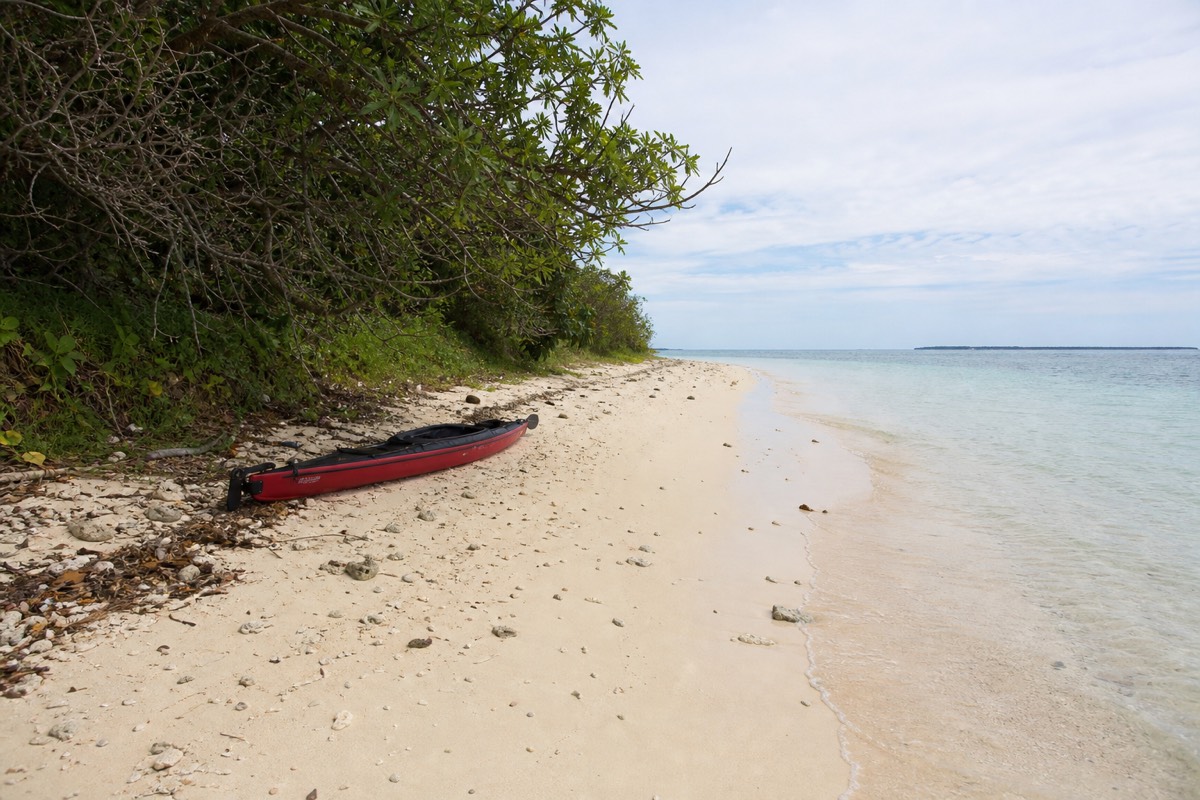
Access restrictions go further in a few places. The Frankland Islands day trip is the only operator permitted to land guests on Normanby Island, a permit that exists because access there is so tightly controlled. Limited landing permissions like that are the sharp end of the same system: where foot traffic itself poses a risk, the regulator simply caps who can go ashore and who cannot. The general lesson for independent travellers is that "the reef" is not one place with one rule. It is a patchwork of zones with different permissions, and assuming the most permissive rule applies everywhere is how people get into trouble.
For the broader context on why these protections exist, why the reef is in danger, and what is being done to protect it, our guide to the reef's health covers bleaching, the biggest threats, and the protection efforts behind the rules.
Sunscreen Rules And Reef-Safe Products
Here is where honesty matters, because this is a topic full of confident claims that outrun the actual rules. Unlike Hawaii and a handful of other destinations, there is no general legal ban on specific sunscreen chemical ingredients across the Great Barrier Reef Marine Park as a whole. Reef-safe sunscreen on the Great Barrier Reef is a recommendation strongly pushed by GBRMPA, by tour operators, and by marine scientists, rather than a blanket legal requirement written into the Marine Park Act. Some individual operators do ask or require guests to use reef-safe formulations, and a private operator can set conditions on their own vessel. But a traveller asking "is sunscreen illegal on the reef" should get the accurate answer: not as a matter of Marine Park law, though the regulatory picture around sunscreen ingredients in Australia continues to evolve, and GBRMPA's own guidance promotes mineral-based, reef-friendly products.
The reasoning behind the recommendation is real science, not marketing. Studies elsewhere have linked certain chemical sunscreen ingredients, oxybenzone being the most cited, to coral stress and bleaching. The Great Barrier Reef faces far larger pressures, run-off, warming water, cyclones among them, and no serious scientist claims sunscreen is the reef's main problem. But two million visitors a year applying chemical sunscreen before entering the water adds a localised load at exactly the sites where tourism concentrates, which is why operators hand out reef-safe samples and why GBRMPA lists sunscreen choice among its responsible reef practices.
What should a traveller actually do? Use a mineral-based sunscreen with zinc oxide or titanium dioxide, preferably one labelled reef-safe, and apply it well before entering the water so it has time to bind to skin. Better still, rely on rash vests and stinger suits for sun protection, which many tours provide anyway during stinger season. Physical coverage outperforms any lotion, and it removes the question entirely. For when to travel and how stinger season affects what you wear in the water, our guide to choosing the right reef tour covers the seasonal picture.
What Are The Penalties?
Penalties and fines apply under the Great Barrier Reef Marine Park Act, and they vary by offence. GBRMPA enforces the rules across the whole Marine Park, using a mix of patrols, compliance checks and investigations, and it prosecutes serious breaches through the courts. The Act's penalty structure escalates with the scale of the offence: minor breaches attract infringement notices and on-the-spot fines, while large-scale illegal fishing, commercial-scale poaching, and deliberate damage can attract much heavier penalties, with the largest figures reserved for the most serious indictable offences under the Act. Anyone who wants the current fine schedule should check GBRMPA's own enforcement pages, because penalty amounts are revised and this site does not quote figures it cannot stand behind.
What does that mean for an ordinary tourist? Honest answer: the risk profile for an individual snorkeller is low, but not zero. A visitor deliberately breaking coral, spearfishing in a green zone, or caught removing protected shells faces genuine legal consequences, and GBRMPA does issue infringement notices. A visitor who commits an accidental touch and reports it honestly is, realistically, more likely to get a briefing correction than a court date. But the distinction between those scenarios is behaviour, not luck. Follow the rules and the penalties are irrelevant to you.
The escalation logic is worth understanding, because it tells you where the regulator's attention actually sits. A single tourist snapping one piece of coral is an offence, but the Act's heavy penalties are aimed at the people doing damage at scale: operators running unpermitted commercial activity, vessels fishing systematically inside green zones, anyone trafficking in protected species. Enforcement resources follow the harm. That is also why the most reliable way to never meet an enforcement officer is to never be the kind of visitor the enforcement system was built for, which is a long way of saying that an ordinary snorkeller who keeps hands off the reef has nothing to fear from this section.
Two practical notes round this out. First, the reef tax is not a penalty, despite the word "charge" doing heavy lifting in people's assumptions. The Environmental Management Charge is $8.50 per person for a full day, roughly $4.25 for a part-day, administered by GBRMPA to fund reef management and monitoring, and usually collected by your operator as part of, or alongside, the tour price. Second, if you witness a serious offence, poaching, deliberate coral damage, someone prying shells off the reef, GBRMPA takes reports, and the detail that helps is specifics: location, vessel name, time, zone.
There is also a reputational penalty that no fine schedule captures. The reef's rules exist because the reef is under real threat, and Australians, whose national identity is wrapped up in this place, do not take kindly to visitors treating it as a souvenir shop. The legal penalties are the floor, not the ceiling, of what good behaviour looks like.
How A Licensed Operator Keeps You Legal
The single best decision a visitor can make to stay on the right side of every rule in this article is to book a licensed tour with a reputable operator. Not because rules do not apply on tours, they apply identically, but because a compliant operator builds the rules into the day before you ever notice them. The permit system that operators work under is extensive, covering where they can go, where they can moor, where they can land guests, and what activities they can run, and holding those permits means their entire itinerary has already passed the compliance test.
Consider what a licensed day tour actually handles on your behalf. The crew selects a fixed mooring or approved anchoring zone, so the anchoring rules are satisfied without you thinking about them. The site sits inside a zone where taking marine life is prohibited, which removes any ambiguity about fishing or collecting. A briefing covers buoyancy and body positioning before anyone enters the water, which is the single most effective safeguard against accidental coral contact. Guides in the water at close ratios, ABC Reef Safaris runs a six-guests-per-guide ratio with a marine biologist in the water, catch mistakes as they happen. And where access is tightly controlled, the permit does the work: the Frankland Islands trip is the only operator permitted to land guests on Normanby Island, which is the zoning and permit system functioning exactly as intended.
The same logic applies to the reef tax. Because the Environmental Management Charge is typically collected by the operator as part of, or alongside, the tour price, a booked guest never has to think about whether the charge has been paid or whether it applies to their trip. The compliance burden that would otherwise sit on an independent visitor, zoning, anchoring, charges, site selection, has been absorbed into a booking decision made once, in advance, with the operator carrying the paperwork.
Choosing between operators is still worth doing properly, because supervision quality varies and so does fit. A first-time snorkeller benefits most from small group ratios and in-water guides. A confident swimmer may prefer a different setup. Our comparison of Cairns, Port Douglas and the Whitsundays as departure points, our breakdown of what a reef trip actually costs, and our guide to snorkelling versus scuba diving all help narrow that choice. And if one day is enough or whether the whole trip is worth it is your open question, that analysis lives in our worth-it guide.
One last framing point. The rules in this article sometimes get read as a list of things the reef forbids you. A fairer reading is a list of things that would destroy the reef if two million people a year did them. The zoning, the moorings, the no-take areas, the shell protections, these are the mechanisms by which the reef stays visitable at all. Respect them, book with an operator who enforces them, and the legal side of your trip takes care of itself.