2-Day Great Barrier Reef Snorkeling Experience – Twin Share
- 520+ booked
This overnight departure is strictly capped at 48 travelers total.
From $521 per person
Check availability →Next step: see exact departure times, live prices and real traveller photos on Viator.
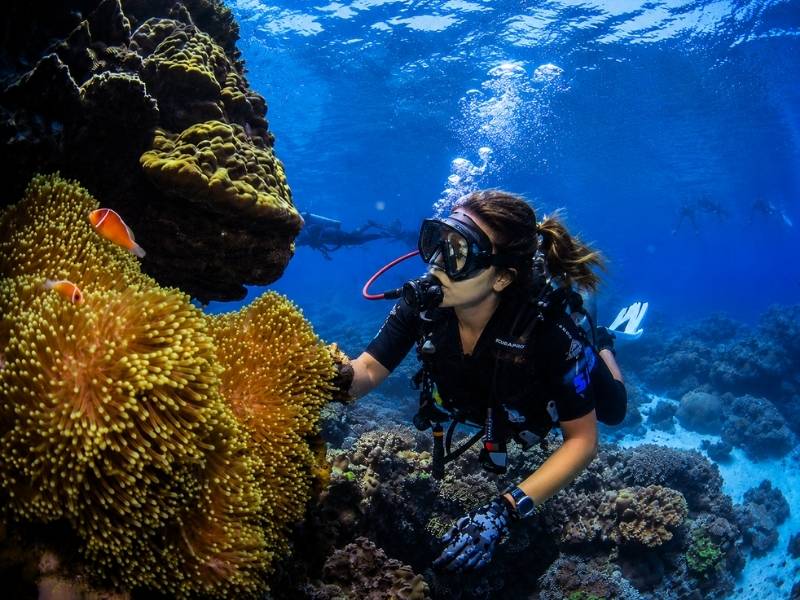
This relaxed overnight snorkeling trip lets you explore the Great Barrier Reef without the rush of day tours. Spend two full days snorkeling vibrant coral gardens and marine life across multiple sites (Saxon, Norman, and Hastings Reefs). Enjoy the peaceful reef after the crowds leave, with the option to join a “Fish After Dark” night snorkel.
Overview
The sprawling open-ocean perimeters of Hastings, Saxon, and Norman Reefs serve as the setting for this deeply immersive 2-day liveaboard marine expedition. Operated via the fleet assets of Divers Den, a major marine training and excursions provider in Tropical North Queensland, this twin-share overnight voyage transitions your group out of the standard day-tripper lanes into a continuous multi-site exploration loop. You move from high-intensity daylight snorkeling files across a network of over 14 permanent outer reef moorings to specialized night-tracking activities, experiencing an environment where a floating "boatel" model and an unhurried, multi-day calendar define the energy. Because safely executing an overnight open-ocean deployment while maintaining high standards of dining and accommodation comfort requires an expansive, specialized platform, securing a cabin slot on this 35-meter luxury catamaran is essential for a definitive standard of Great Barrier Reef wilderness tracking.
What's Included
- Shared Twin Cabin Accommodations with Air-Con and En-Suite
- Premium Masks, Snorkels, Fins, and Custom Prescription Masks
- All Onboard Meals (2 Chef-Prepared Lunches, 1 Dinner, 1 Breakfast)
- In-Depth Snorkeling Equipment Tuition & Marine Briefings
- Exclusive "Fish After Dark" Marine Eco-Appreciation Session
- International Airfare & Out-of-Zone Resort Transport
- Mandatory Fuel Surcharge ($10 AUD per person paid at check-in)
- Scuba Upgrades (Introductory, Certified, or Guided tracks)
- Advanced Training (PADI Advanced, Nitrox Fills, or Fluoro Diving)
- Onboard Bar/Snack Purchases & Digital Camera Hire
Itinerary
- The expedition launches with a morning coach pick-up from your select Cairns CBD accommodation to transfer you directly to the marina gates. After completing your manifest files and safety checks, you board the transfer vessel to complete a rapid run out to the outer shelf edge. Here, you perform a direct mid-ocean transition onto the massive OceanQuest liveaboard catamaran. After settling into your air-conditioned twin cabin, you gear up for your first major multi-site snorkeling block over pristine coral walls before sitting down to a fresh lunch prepared by the onboard chef. The afternoon unrolls with secondary swim tracks, leading into an evening dinner service and the exclusive "Fish After Dark" dry activity to track nocturnal predators hunting beneath the vessel's floodlights.
- The second day unrolls with a peaceful morning over the open water before the arrival of daily tour boats. You kick off your tracking with an early morning snorkeling session alongside waking reef fish, followed by a hearty breakfast in the main dining saloon. The mid-morning and afternoon blocks see the skipper shifting anchors across the 14 permanent moorings of Hastings and Saxon Reefs, giving you a chance to swim face-to-face with sea turtles and schools of large pelagic fish. After a second chef-prepared lunch and afternoon swim sessions, you pack your daypacks and perform a reverse vessel transfer, cruising back to the mainland to finish with a final hotel shuttle drop-off by late afternoon.
A 2-day Great Barrier Reef snorkeling tour from Cairns puts you on the OceanQuest liveaboard catamaran for two days and one night at Hastings, Saxon, and Norman Reefs. Rated 4.2 on Viator with 520-plus bookings, the twin-share version starts at $521 per person, caps the group at 48 travelers, and includes all meals, snorkel gear, and hotel transfers within the Cairns CBD.
What This Trip Is
This is an overnight liveaboard snorkeling product, which is a different category of reef experience from the standard day cruise. Instead of riding out to the reef in the morning and back to the mainland at sunset, you stay on the water. The vessel stays at the outer reef overnight while the day-tripper fleet heads home, and you wake up already moored over coral.
The trip is operated by Divers Den, a long-established marine training and excursions provider in Tropical North Queensland. The platform is the OceanQuest, a 35-metre luxury catamaran purpose-engineered for overnight outer-reef deployments, spanning three decks with open-air sun decks, a licensed bar, and hot freshwater showers. Guests sleep in twin-share cabins with air-conditioning and private en-suite bathrooms, which puts the vessel closer to a small floating hotel than a working dive boat.
The base package is built around snorkeling rather than diving. That distinction matters. Snorkelers on this trip move across a network of more than 14 permanent outer-reef moorings on the open-ocean perimeters of Hastings, Saxon, and Norman Reefs, with in-depth snorkeling tuition and marine briefings included. Certified divers, divers-to-be, and travelers who want to add a single introductory dive can do so, but those tracks cost extra and are booked as add-ons rather than baked into the fare.
There is one signature activity that separates the two-day format from everything else the Cairns reef market offers at this price point: the "Fish After Dark" night session. When the sun goes down, the crew switches on high-intensity underwater floodlights from the rear platform. The light triggers a natural feeding sequence, and giant trevally, reef sharks, and large pelagic fish hunt directly beneath the hull. You watch it without ever needing to enter the water, which makes it accessible to every passenger on board regardless of swimming confidence.
The headline numbers for the twin-share option: from $521 per person, a strict cap of 48 travelers overnight, a 4.2 rating on Viator, and more than 520 bookings through that listing. Those figures come from the operator's Viator listing, where current departure times and live pricing are shown before you pick a date.
One honest framing note before the detail. This is an open-ocean product. The moorings sit on the outer shelf, not on a sheltered pontoon or an island beach. That exposure is precisely why the water clarity and marine life density are strong, and it is also why the operator expects a moderate level of physical fitness. Neither of those things should scare anyone off, but both should shape the decision.
Where It Goes
The voyage covers three named reef systems on the outer shelf: Hastings Reef, Saxon Reef, and Norman Reef. These are not generic "outer reef" waypoints pulled from marketing copy. Each is a distinct reef structure with its own perimeter walls and mooring network, and the skipper shifts anchors between sites across the two days depending on conditions and what the day's dive and snorkel plan calls for.
Norman Reef is the southernmost of the three and one of the best-known outer-reef destinations on the Cairns run, with coral walls that drop along the open-ocean edge. Hastings Reef sits further north on the shelf, a large horseshoe-shaped system whose perimeter has long been a fixture on the Cairns day-boat circuit. Saxon Reef sits between them and tends to host a higher density of the smaller swim-throughs and coral bommies that turtles favor.
Across the two days the vessel works through more than 14 permanent moorings across these three reef systems. The practical effect of a mooring network, rather than ad-hoc anchoring, is that the boat ties up to fixed points that operators maintain year-round, protecting the coral below and giving the crew reliable, known sites. On the second day the itinerary specifically tracks the skipper moving between the Hastings and Saxon moorings, where passengers swim with green sea turtles, giant clams, and schools of large pelagic fish.
For context on how these reefs compare with other entry points to the Great Barrier Reef, and whether Cairns is even the right base for your trip, read the dedicated comparison of Cairns versus Port Douglas versus the Whitsundays.
The Day, Hour By Hour
Day One: Out To The Shelf
The morning starts with a coach pick-up at your Cairns CBD accommodation. The shuttle is included in the base fare, provided your hotel sits inside the CBD zone, and it drops you directly at the marina gates. From there the process is the standard liveaboard sequence: manifest check-in, safety briefings, and boarding of a transfer vessel.
The transfer boat is the fast leg. It runs out to the outer shelf edge, where the OceanQuest is already stationed, and you perform a mid-ocean vessel transfer. This is the part of the itinerary some first-timers picture as awkward, in practice it is a routine, crew-supervised step, and it is what allows the big catamaran to stay out at sea permanently rather than burning fuel back and forth to port every day.
Once on board and settled into your air-conditioned twin cabin, the first major snorkeling block opens over the outer-reef coral walls. A chef-prepared lunch follows in the dining saloon. The afternoon continues with secondary swim tracks across the mooring network before evening dinner service. After dark, the "Fish After Dark" session runs beneath the stern floodlights, tracking the nocturnal hunters that come to feed in the lit water.
Day Two: The Quiet Hours
The second morning is the payoff for choosing an overnight trip. The day begins on open water before the daily tour boats arrive, with an early morning snorkel alongside waking reef fish, followed by a hearty breakfast in the main saloon. Between mid-morning and afternoon, the skipper shifts anchors across the Hastings and Saxon moorings for the turtle and pelagic-fish swim tracks described above.
After a second chef-prepared lunch and a final round of afternoon swims, you pack up, take the reverse transfer back to the mainland vessel, and finish with a hotel shuttle drop-off by late afternoon.
What Is Included And What Is Not
Included In The Twin-Share Fare
- A shared twin cabin with air-conditioning and a private en-suite bathroom, for one night
- Premium masks, snorkels, and fins, plus custom prescription masks at no extra charge
- All onboard meals: two chef-prepared lunches, one dinner, and one breakfast
- In-depth snorkeling equipment tuition and marine briefings from the crew
- The "Fish After Dark" nocturnal marine session
- Complimentary Cairns CBD hotel shuttle pick-up and drop-off
Extra Costs To Budget For
- A mandatory A$10 fuel surcharge per person, collected via a secure digital payment link before check-in
- Scuba upgrades: introductory dives, certified dives, or guided dive tracks
- Advanced training add-ons such as the PADI Advanced course, Enriched Air Nitrox fills, or Fluoro Diving
- Onboard bar and snack purchases
- Digital camera hire
- International airfare and any transport from accommodation outside the Cairns CBD zone
The fuel surcharge deserves a flag because it is the one charge travelers routinely miss: the listing specifies A$10 per person, payable before check-in rather than folded into the fare. Budget a card or cash for the bar as well, since the vessel is licensed but drinks are not part of the package. For a wider picture of how reef tours in the region stack up price-wise, including what drives the gaps between budget day trips and overnight products, see what a reef trip really costs.
Who This Trip Suits
This tour suits three overlapping groups. The first is confident swimmers who want more reef time than a day trip can physically offer and are happy to earn it with a night on the water. The second is travelers who want the liveaboard experience without being certified divers, a niche most overnight reef products do not serve, since the majority of liveaboards in the region assume a dive certification. The third is anyone specifically chasing the after-dark marine activity, which cannot exist on a day trip by definition.
It suits less well the traveler whose main priority is a relaxed beach-base holiday. You are on a working vessel in open ocean, following a structured activity calendar, and the operator lists a moderate physical fitness level as the expectation. Open-ocean surface currents at the outer-reef sites are real, and the crew manages swim tracks with float lines and briefings, but a nervous or non-swimming traveler will not enjoy this product and should look at pontoon-based day trips instead.
Families should think about the cabin format. Twin share means exactly that, two single berths in a shared cabin, so a couple wanting a double bed or a family wanting to room together needs to check the other cabin configurations on the listing before booking. Solo travelers who book twin share will be paired with another guest of the same sex under standard liveaboard practice, which is worth knowing in advance so it is not a surprise at the cabin door.
Anyone weighing whether two days is the right length at all, versus a single day or a longer stay, should read whether the Great Barrier Reef is worth it and how many days it deserves.
Getting There And Pickup
Departure logistics are simple if you are staying in Cairns proper. Coach pick-ups run from selected Cairns CBD accommodations in the morning on day one, and the return shuttle drops you back at the same hotel by late afternoon on day two. The shuttle is included in the fare, but only for accommodation inside the CBD zone, so anyone staying in the Northern Beaches, Palm Cove, or Port Douglas needs to arrange their own transfer into the city or check with the operator at booking.
For travelers flying in, Cairns is the practical gateway for this specific trip, and the CBD hotel requirement makes it worth arriving at least the night before departure rather than risking a same-morning flight. The full question of reaching the reef from Australia's southern capitals, including Sydney and Brisbane, is covered separately in how to get to the Great Barrier Reef from Sydney or Brisbane.
What To Bring
- Swimwear and a change for the second day
- A personal beach towel, plus a large dry towel for moving from the swim deck into the air-conditioned saloon
- A sun hat and sunglasses for the open sun decks
- High-factor reef-safe sunscreen, applied before lounging on the daybeds
- A camera, or budget for onboard digital camera hire
- A light wind jacket for cool evening breezes on the outer decks
- A card or cash for the licensed bar
- A light sleeping mask if your cabin is an interior layout without a window
The sleeping mask suggestion comes straight from the vessel's own cabin configuration: some twin-share cabins sit internally without external windows. The sun hat matters just as much, since the low-slung tropical sun and reflective water make UV exposure intense even on overcast days.
Prescription mask wearers can pack light on that front. The dive locker keeps a stock of custom prescription snorkeling masks available at no extra charge, so there is no need to bring your own.
What Two Days On The Reef Gets You That One Does Not
The honest answer is time, and specifically the two blocks of time that day tours can never touch: the late afternoon after the day boats leave, and the early morning before they come back.
Consider what a day trip actually delivers. A standard outer-reef day cruise from Cairns spends roughly two hours of its schedule on transit each way, and its water time sits inside a window that every other boat on the reef is also using. The reef at 11am, with pontoons busy and swimmer traffic at its peak, is a different environment from the same reef at 6pm when the fleet has gone home. The operator describes the shift bluntly: once the sun drops and the day-tripper boats depart, the entire area goes quiet. That quiet is not a mood, it changes animal behavior. Fish feeding patterns, turtle movement, and the general calm of the site are all different without a hundred people in the water.
The overnight format also gives the skipper options a day boat never has. Across the two days the vessel works more than 14 moorings, and on day two the anchor shifts across Hastings and Saxon Reefs in response to conditions. A day boat visits one site, or two at best, on a fixed clock. The liveaboard can sit on a site while it is good, move when it is not, and put passengers in the water at first light when the reef is at its most active and least crowded.
Then there is the night. The "Fish After Dark" session has no daytime equivalent anywhere in the region's day-trip catalog. Underwater floodlights trigger a feeding sequence that brings giant trevally, reef sharks, and large pelagics hunting beneath the stern, visible from the platform without getting wet. For a snorkeler, that is a category of wildlife encounter that simply requires being on the water overnight.
The caveat, because there is one: two days only pays off if you enjoy being on the water. If open-ocean motion, shared cabins, or a structured schedule would wear on you, a well-chosen day trip delivers a large share of the reef's visible highlights in a softer package. The trade-offs between the two styles, including the snorkel-versus-dive question that often runs alongside it, are laid out in snorkeling versus scuba diving on the Great Barrier Reef.
Twin Share Explained Honestly
Twin share is the entry price point for this trip, and the mechanics are simple: you get a cabin with two single berths, air-conditioning, and a private en-suite bathroom, shared with one other guest. At from $521 per person it is the cheapest way onto the OceanQuest, and the en-suite and air-con mean the standard is genuinely comfortable rather than the dorm-bunk arrangement some budget liveaboards use.
Now the honest part. Some twin-share cabins on this vessel are lower-deck or interior configurations without external windows. The trade is real: you pay less, you get full climate control and a private bathroom, but your cabin has no ocean view and ambient ship light in the corridors can shift under the door. If you are sensitive to light while sleeping, pack a mask, and plan to spend waking time on the sun decks and in the ocean-view lounges, which is where the vessel's design puts its best space anyway. Travelers for whom a window is non-negotiable should look at the higher cabin categories on the listing before booking.
Solo travelers should also know that booking twin share means sharing with a stranger, matched by the operator under standard practice. That is normal liveaboard economics, and the 48-passenger cap keeps the guest mix small enough that it rarely feels anonymous, but it is not the same as a private room and should be booked with clear eyes.
A Night On The Water: What To Expect
Evening on the OceanQuest follows its own rhythm. Dinner is chef-prepared and served in the main interior saloon, a cool, air-conditioned space, and the practical detail worth knowing is the temperature shift: stepping inside directly from a swim causes rapid cooling, so keep a large dry towel or a light jacket at hand. After dinner the floodlights come on at the stern and the "Fish After Dark" session runs, with the crew guiding the marine eco-appreciation talk as the nocturnal predators work the lit water below.
Sleep quality on an anchored catamaran is better than most first-timers expect. The OceanQuest is a 35-metre catamaran, and the twin-hull design is the whole reason: catamarans are far more stable at anchor than monohulls, which is why this platform is used for permanent outer-reef stationing. There is still motion, the boat is on open water rather than in a marina, but it is the gentle sway of a vessel at a mooring, not the rolling of a ship underway.
Morning comes early and quietly. Before the day boats arrive, the reef is empty, the water is at its calmest of the daylight hours, and the first snorkel of day two happens alongside waking reef fish with no other vessels in sight. That window is the single strongest argument for the whole overnight format, and passengers who sleep through it miss the best part, so set an alarm.
For reassurance on the wider safety question of swimming on the reef, including sharks, marine stingers, and seasonal considerations, read whether the Great Barrier Reef is safe. The timing question, which months suit the reef best and which to avoid, is covered in the guide to choosing the right reef tour.
Frequently Asked Questions
Are Scuba Diving Tracks Available On This Overnight Tour?
Yes. While the base package centers on snorkeling, introductory and certified scuba diving packages can be added at booking, along with guided dive instructors. Advanced training add-ons like the PADI Advanced course, Nitrox fills, and Fluoro Diving can be arranged at the reservation desk on board.
Is Transport From My Hotel Included In The Base Pricing Tier?
Yes, provided your accommodation is within the Cairns CBD zone. Complimentary ground shuttle pick-up and drop-off are included in the fare. Hotels outside the CBD zone are not covered.
Are There Extra Fees Collected On The Day Of Travel?
Yes. A standard A$10.00 fuel surcharge per person is collected via a secure digital payment link before check-in. Onboard bar, snack, and camera hire purchases are separate.
What Is The Maximum Passenger Count On The Vessel?
The overnight manifest is strictly limited to a maximum of 48 travelers. This cap applies to the whole vessel, not per cabin type.
What Should I Pack Inside My Overnight Daypack?
Swimwear, a personal beach towel, a sun hat, sunglasses, a camera, a light wind jacket for cool evening breezes, and a card or cash for onboard bar purchases. Add a light sleeping mask if your cabin is an interior layout without windows.
Book 2-Day Great Barrier Reef Snorkeling Experience – Twin Share
Next step: see exact departure times, live prices and real traveller photos on Viator, then pick your date.
★ 4.2 on Viator · Read more reviews